

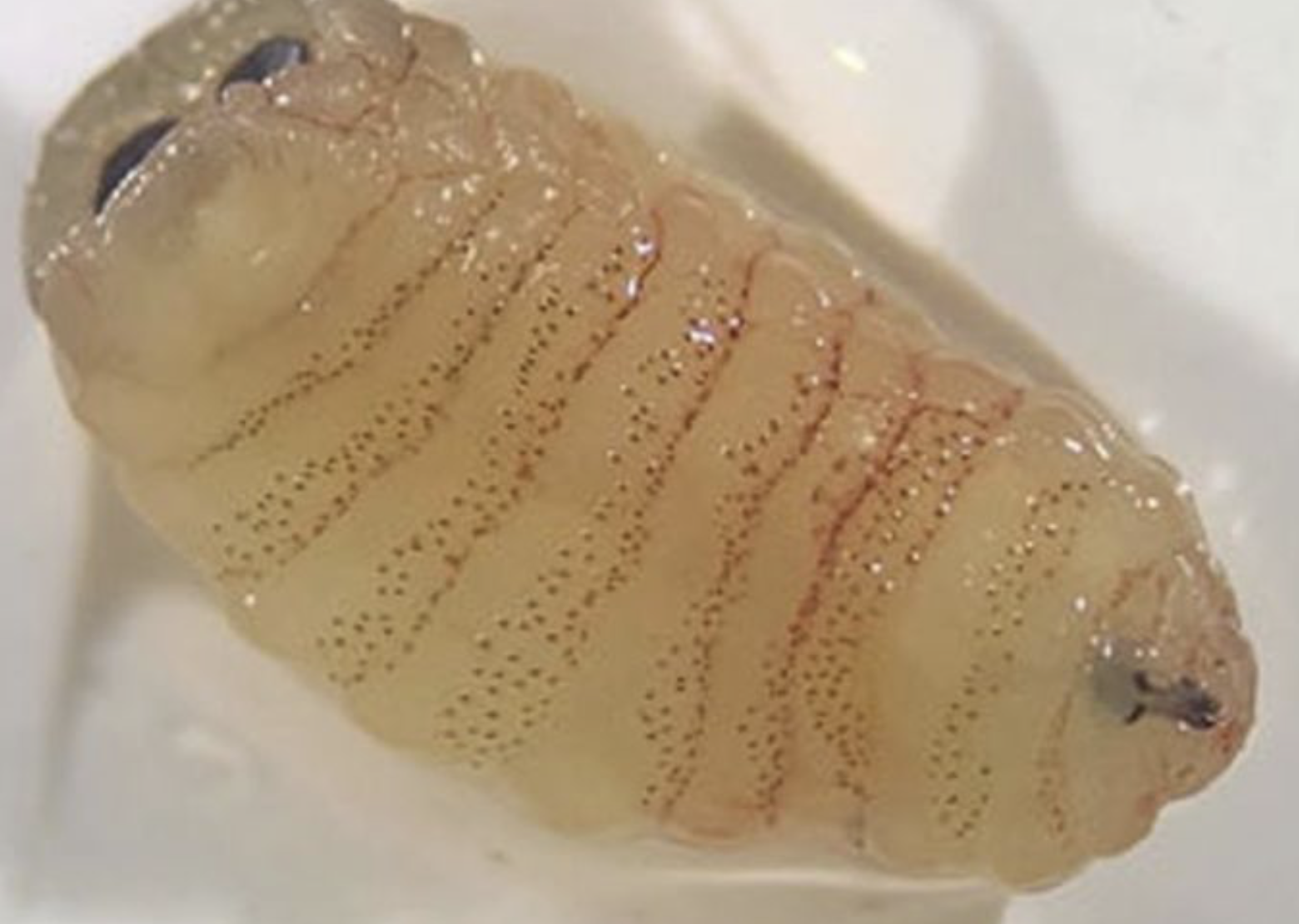
A 58-year-old woman in Greece had a frightening surprise weeks after what seemed like a routine day working outdoors near sheep: she sneezed and watched what looked like “worms” come out of her nose.
The disturbing case was detailed in a medical report from the U.S. Centers for Disease Control and Prevention’s Emerging Infectious Diseases journal, which described how sheep bot flies swarmed the woman’s face while she was working in a field on a Greek island last September.
Those flies—Oestrus ovis, commonly known as sheep bot flies—typically target sheep and goats, not humans. They’re widespread in hot, dry regions, including many areas around the Mediterranean.
But in this woman’s case, something went very wrong.
According to the report, about a week after the fly encounter, the woman began feeling increasing pain in her upper jaw. Over the next few weeks, she also developed a persistent cough that kept getting worse.
Then came the moment that sent her straight to urgent medical care.
On October 15, the woman sneezed and noticed what she described as “worms” coming out of her nose. Alarmed, she sought immediate treatment.
Doctors identified the “worms” as fly larvae—maggots—inside her nasal and sinus cavity. An ear, nose, and throat specialist performed a procedure to remove them.
Surgeons removed 10 larvae in various stages of development, plus a puparium (a casing linked to the insect’s pupal stage—the transition between larva and adult fly).
That detail is what made the case so unusual: researchers noted it’s generally considered “biologically implausible” for Oestrus ovis to reach pupation inside a human, because the sinus environment typically doesn’t provide the right conditions for that stage of development.
The report points to a key factor: the woman had a severely deviated nasal septum, which may have created an abnormal pocket-like space that helped the larvae persist and develop more than expected. The researchers also noted that her coworkers didn’t report symptoms—suggesting her anatomy may have made her uniquely vulnerable in that moment.
After the larvae were removed, the woman was treated with nasal decongestants and made a full recovery.
Still, researchers floated a cautious theory that this rare, outlier case could hint at early signs of possible adaptation—meaning, under very specific circumstances, the parasite might be able to complete more of its life cycle in humans than previously believed.
To be clear: that doesn’t mean this is common. Human infestations are considered accidental, and when they do happen, humans are typically incidental hosts—not the intended target.
The condition is a form of myiasis, which is the infestation of humans or animals by fly larvae. Oestrus ovis is best known for causing issues in sheep and goats, but it has been reported as an occasional cause of human cases in different parts of the world.
In animals, these larvae are associated with irritation and sneezing—basically, the exact mechanism that can help expel them.
In this case, that expulsion happened in the most horrifying way possible—right in front of the patient.
Discover more from Next Gen News
Subscribe to get the latest posts sent to your email.
Sent from my iPad