

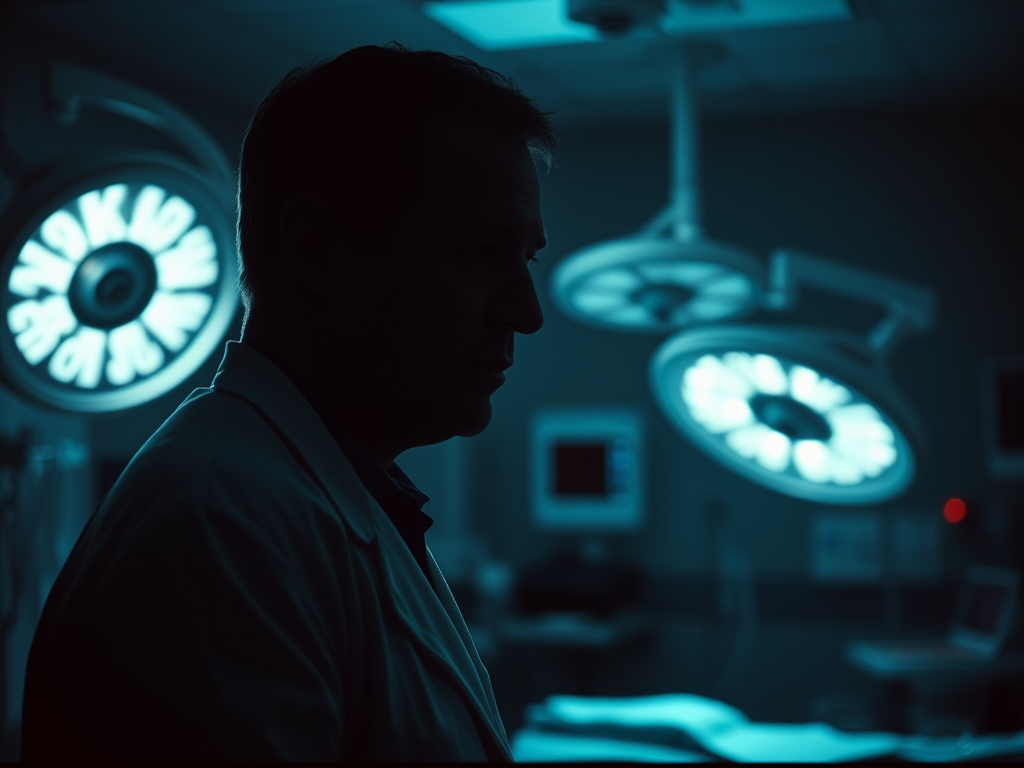
A shocking incident at Baptist Health Richmond Hospital in Kentucky has raised serious questions about the protocols surrounding organ donation. In October 2021, a patient believed to be deceased suddenly displayed signs of life during an organ harvesting procedure, leaving medical professionals and advocates alike shaken.
Natasha Miller, a preservationist who was present during the incident, recounted the horrifying scene to NPR. “He was moving around. He was crying visibly,” she said, referring to the patient identified as Anthony Thomas “TJ” Hoover II. This alarming revelation prompted the two surgeons assigned to the organ transplant to refuse to proceed with the surgery.
When Miller and her colleague contacted Kentucky Organ Donor Affiliates (KODA) to report the unexpected turn of events, they were met with resistance. “They told us we were going to do the case and needed to find another doctor,” Miller recalled. This insistence to move forward with the organ donation raised significant ethical concerns among those involved.
In response to the incident, KODA released a statement asserting that “no one at KODA has ever been pressured to collect organs from any living patient” and emphasized their commitment to ethical practices in organ donation. The organization was formed through the merger of KODA and the LifeCenter Organ Donor Network and aims to maintain public trust in organ donation.
Baptist Health Richmond echoed this sentiment, stating, “The safety of our patients is always our highest priority. We work closely with our patients and their families to ensure our patients’ wishes for organ donation are followed.” However, concerns remain about the procedures in place to assess a donor’s status prior to surgery.
The incident came to light after another former KODA employee, Nyckoletta Martin, alleged that Hoover had exhibited signs of life during a separate procedure meant to evaluate his heart health. “He was thrashing around on the table,” Martin claimed, adding that his physicians merely sedated him instead of properly addressing the situation. Martin later became a whistleblower, submitting a letter to Congress advocating for a hearing on organ donation practices.
Amid this turmoil, a coalition of 1,100 professionals and patients involved in transplant procedures issued their own statement, asserting that misinformation about organ donation has led to a decline in public trust. They argue that such narratives discourage potential donors from signing up, ultimately hindering the organ donation process.
In light of the incident, multiple government agencies, including the Kentucky attorney general and the U.S. Health Services and Resources Administration, have launched investigations into KODA’s practices and the broader implications for organ donation nationwide.
As discussions continue, Martin described the episode as “everybody’s worst nightmare.” She emphasized the horrifying thought of being aware during a procedure where one’s body is cut open for organ removal. This chilling account has not only sparked outrage among medical professionals but also left the public questioning the integrity of the organ donation system.
As the investigations unfold, the community remains vigilant, demanding transparency and accountability in the practices surrounding organ donation. The hope is that such incidents will prompt reforms that prioritize patient safety and ethical standards in organ transplantation.

Discover more from Next Gen News
Subscribe to get the latest posts sent to your email.