

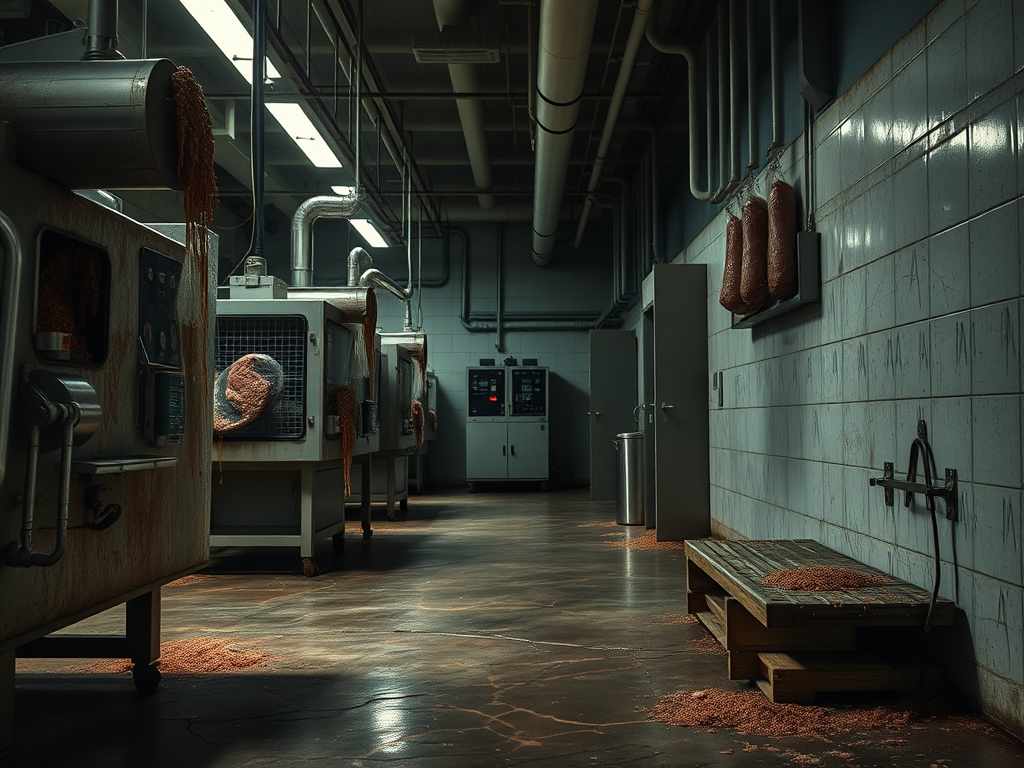
The U.S. Department of Agriculture (USDA) has traced last year’s deadly listeria outbreak to unsanitary conditions at a Boar’s Head facility in Jarratt, Virginia. The outbreak, which spanned from July to November 2024, resulted in 10 deaths and dozens of hospitalizations across 19 states.
Key Findings from the USDA Report
A report by the USDA’s Food Safety and Inspection Service (FSIS), released Friday, detailed alarming lapses in hygiene at the plant:
- Inspectors found meat and fat residue from previous production cycles on packaging equipment.
- Condensation dripped onto exposed products, raising contamination risks.
- Cracks and holes in flooring allowed moisture to accumulate, creating ideal conditions for bacteria to thrive.
The plant’s sanitation violations were not isolated incidents. Previous inspections had flagged recurring issues, including dead insects, dripping ceilings, and black mold near machinery.
A National Crisis
The Centers for Disease Control and Prevention (CDC) identified this as the largest listeria outbreak since 2011. “This was a preventable tragedy,” said Dr. Samantha Reyes, a foodborne illness expert at the University of Minnesota. “Sanitation is the cornerstone of food safety, and these oversights are unacceptable.”
Boar’s Head Responds
In an email to NPR, a Boar’s Head spokesperson expressed regret and outlined steps the company is taking to address the crisis.
“We continue to cooperate fully with the USDA and other regulatory agencies,” the statement read. “Our enhanced food safety programs include stricter sanitation protocols and expanded product testing.”
The company also issued a voluntary recall of ready-to-eat liverwurst products linked to the outbreak in July 2024. The recall eventually expanded to include a variety of deli meats, including sliced ham and sausages, all manufactured at the Jarratt facility.
Permanent Plant Closure
In September 2024, Boar’s Head permanently shuttered the Jarratt plant and announced it would discontinue its liverwurst product line. Former plant employee Maria Gonzales described the working conditions as “chaotic and understaffed,” adding, “There was constant pressure to meet production quotas, often at the expense of proper cleaning.”
USDA’s Own Oversight Under Review
The report also scrutinized FSIS’s internal procedures. To prevent future outbreaks, the agency plans to:
- Enhance inspector training and tools to identify systemic food safety issues.
- Revamp sampling protocols to detect listeria contamination more effectively.
- Increase monitoring of facilities with a history of violations.
“Our goal is to ensure that tragedies like this never happen again,” said FSIS Administrator Michael Daniels. “We are committed to protecting public health through rigorous oversight and proactive measures.”
Consumer Impact
The outbreak has reignited concerns about food safety in the deli meat industry. According to a recent Gallup poll, 62% of Americans expressed reduced confidence in processed meat safety following the incident.
Local Virginia resident Sarah Mitchell, who lost a family member to the outbreak, called for greater accountability. “These companies owe it to consumers to prioritize safety over profits. No one should die from eating a sandwich.”
As the USDA implements reforms and Boar’s Head works to rebuild its reputation, the incident serves as a stark reminder of the consequences of lax food safety practices.
Discover more from Next Gen News
Subscribe to get the latest posts sent to your email.