

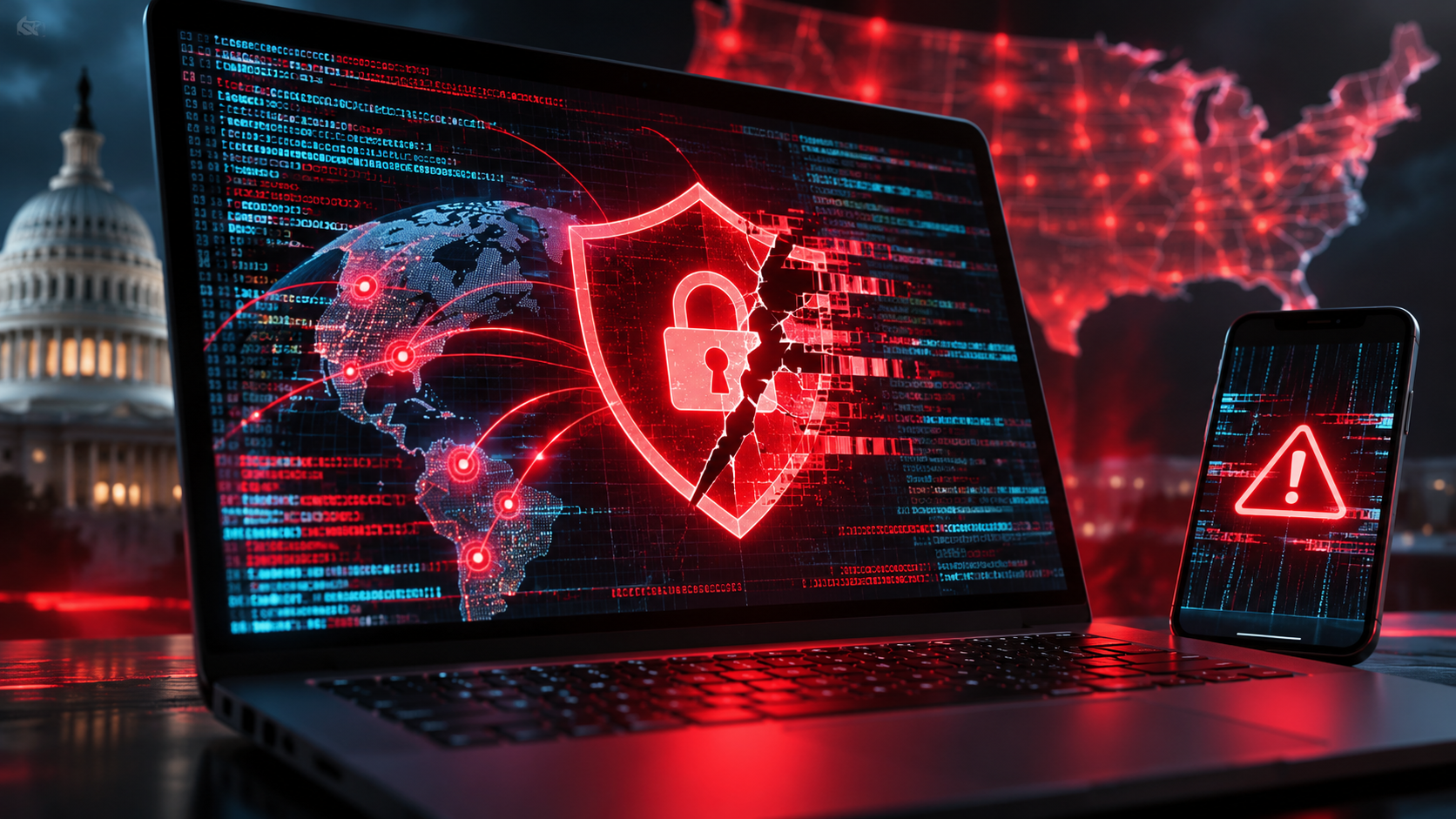
A sweeping cyberattack targeting some of the world’s most recognizable companies has sparked serious concerns about consumer privacy after hackers secretly planted malicious code on websites used by millions of people.
The attack affected websites associated with at least 178 organizations, including CNN, Zoom, HSBC, Equifax, Salesforce, IKEA and the BBC, according to cybersecurity researchers who uncovered the scheme on Monday, November 16.
And the potential consequences were alarming. The malicious software was designed to steal credit card information, redirect cryptocurrency payments into hackers’ wallets and even target iPhones with sophisticated hacking tools.
Security researcher Scott Helme, who helped expose the attack, warned that the hackers had gained a disturbing level of control over code running on the affected websites.
Rather than breaking into each company’s computer systems individually, the attackers exploited a vulnerability in Optimizely, a widely used platform that helps businesses test and improve their websites.
The security flaw allowed hackers to insert malicious JavaScript into software that participating websites automatically loaded when visitors opened their pages.
That meant unsuspecting users could encounter the dangerous code while visiting familiar, seemingly trustworthy websites, without clicking a suspicious email or downloading an unknown attachment.
The malicious software had several troubling capabilities. It could secretly replace legitimate cryptocurrency payment addresses with addresses controlled by the attackers, potentially sending money straight into criminals’ accounts.
It also attempted to capture credit card numbers, expiration dates and security codes entered into certain payment forms. Other functions were designed to collect browser cookies and screenshots, potentially exposing sensitive information.
Perhaps most concerning was the threat to Apple users. Researchers discovered that the attack included tools designed to exploit security weaknesses in iPhones and iPads, particularly devices running older software.
However, investigators have not confirmed that any iPhones were successfully compromised, and the number of consumers whose financial or personal information may have been exposed remains unknown.
Helme’s investigation identified suspicious cryptocurrency transactions totaling approximately $7,150 in wallets associated with the attackers. While he linked the activity to the scheme, independent investigators have not established how much of that money, if any, came directly from visitors to the affected websites.
The attack also raised serious questions about the security of third-party software used by some of the world’s largest corporations.
Researchers examined more than 1,600 Optimizely software files and discovered 188 infected files associated with 178 organizations. They cautioned that additional websites could have been affected.
The compromised code appeared across a remarkable range of industries, including banking, retail, technology, entertainment and news media.
Optimizely has since acknowledged the security breach, confirming that an unauthorized party exploited a vulnerability in its experimentation platform to insert malicious code into customer projects.
The company said it repaired the security flaw, removed the malicious scripts and implemented additional protections to prevent unauthorized code from being distributed.
By late Monday, researchers reported that all the infected Optimizely files they had identified had been cleaned.
Several major companies also moved quickly to investigate the incident.
Salesforce disabled Optimizely scripts as a precaution while examining unauthorized changes. Equifax stopped using the platform and said it had found no evidence that its own systems were compromised.
HSBC said the unauthorized scripts were not active on its websites, while IKEA continued investigating whether customers or digital services had been affected.
The incident has renewed concerns about how much ordinary internet users must trust the security practices of major corporations and the outside technology providers those companies rely upon.
Even a recognizable company with extensive security resources can expose visitors to danger when malicious software slips through a trusted third-party service.
For consumers who visited affected websites on November 16, researchers recommend updating iPhones and iPads to the latest available software, reviewing recent credit card activity and checking cryptocurrency transactions for unfamiliar destination addresses.
Simply visiting one of the affected websites does not mean a person’s device or financial information was compromised.
Still, the attack illustrates an unsettling reality of modern internet security: criminals do not always need to trick people into visiting dangerous websites. Sometimes, they can bring the danger directly to websites millions of Americans already trust.
With the full extent of the attempted theft still unclear, the incident serves as another warning about the growing risks to personal information in an increasingly connected world.
Discover more from Next Gen News
Subscribe to get the latest posts sent to your email.