

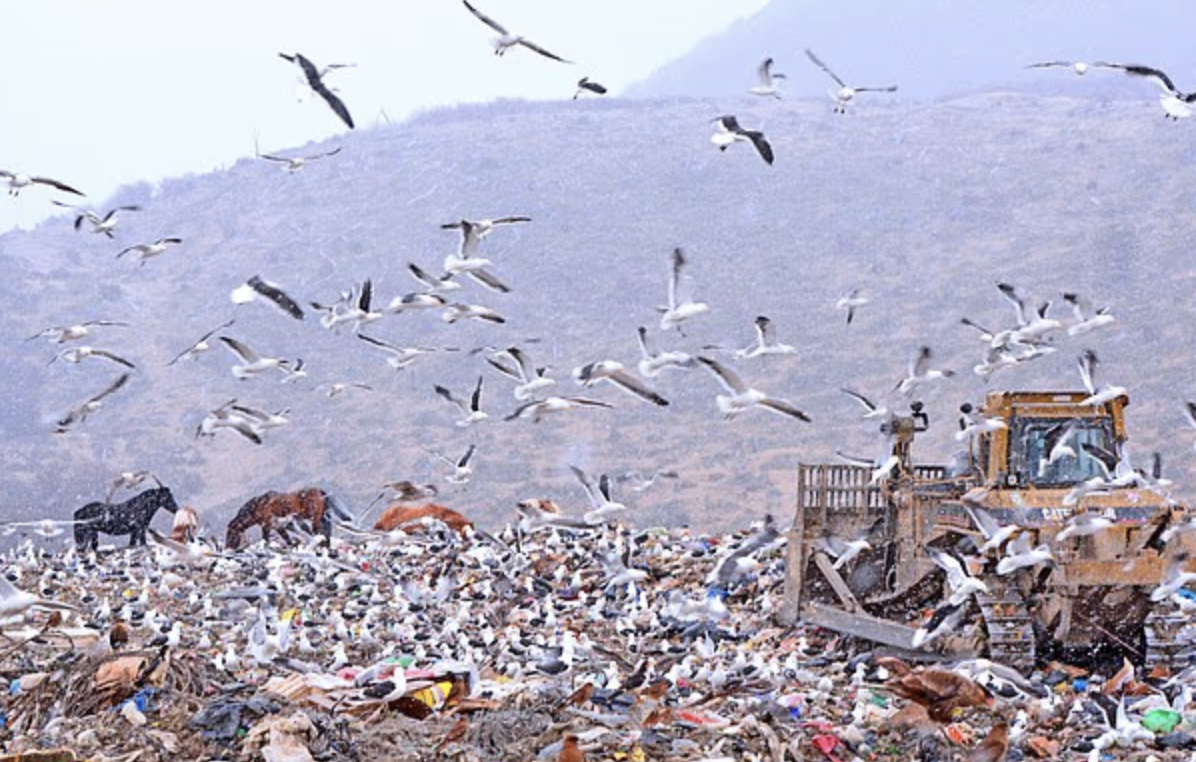
What started as a dream Antarctic cruise has now turned into an international health scare — and investigators believe the deadly virus behind it may have originated at one of the world’s strangest tourist attractions: a garbage dump crawling with seagulls at the southern tip of Argentina.
Health officials are racing to trace the source of the hantavirus outbreak aboard the luxury Dutch cruise ship MV Hondius after three passengers died and several others became sick during the voyage. The ship, carrying nearly 150 people, is now headed toward Spain’s Canary Islands as fears continue to spread across Europe and South America.
According to investigators in Argentina, the leading theory is that an elderly Dutch couple contracted the virus during a bird-watching trip at a massive landfill in Ushuaia — a remote city nicknamed “The End of the World.”
The bizarre site has become an unlikely hotspot for wildlife enthusiasts because it attracts rare Patagonian birds that are difficult to see anywhere else. Tourists flock there hoping to spot species like the White-bellied Seedsnipe among the swarms of gulls circling piles of trash.
But now officials fear the area may also have been a breeding ground for something far more dangerous.
The Dutch couple, both in their late 60s and 70s, later boarded the MV Hondius before dying weeks apart. A third passenger, a German woman, also died after becoming infected.
Because hantavirus can incubate for up to eight weeks, investigators are still trying to determine exactly when and where passengers were exposed. Authorities are retracing the tourists’ travels through Patagonia, including remote forest regions where clusters of infections have recently appeared.
The outbreak has drawn global attention because the strain involved — known as the Andes virus — is especially alarming. Unlike many hantaviruses, this version can spread from person to person, though experts say that remains rare.
Hantavirus is typically spread through exposure to infected rodent urine, saliva, or droppings. Victims can develop hantavirus pulmonary syndrome, a severe respiratory illness that can rapidly turn deadly.
Argentina is now facing a major spike in cases.
The country’s Health Ministry reported more than 100 infections since June 2025 — roughly double the number seen during the same period the previous year. Even more concerning, the death rate has surged dramatically, with nearly one-third of infected patients dying.
Some researchers say climate change may be fueling the outbreak.
Warmer temperatures and shifting ecosystems are allowing rodents carrying the virus to spread into new regions. Infectious disease specialist Hugo Pizzi warned that changing environmental conditions are helping disease-carrying rodents thrive across Argentina.
“Argentina has become more tropical because of climate change,” Pizzi said, pointing to the spread of diseases and growing rodent populations in areas that historically saw fewer outbreaks.
The crisis aboard the MV Hondius has also sparked political panic overseas.
The ship was temporarily stranded off the coast of Cape Verde as authorities debated whether to allow it to dock. Several infected passengers were later evacuated by health workers wearing full protective gear.
Despite Spain insisting the arriving passengers pose “no risk to the public,” officials in the Canary Islands are reportedly deeply uneasy. Regional president Fernando Clavijo demanded urgent talks with Spain’s prime minister amid fears locals could view the situation as “Covid 2.0.”
Meanwhile, Argentina is sending testing equipment and genetic samples of the Andes virus to countries including Spain, the Netherlands, South Africa, Senegal, and the United Kingdom as health agencies brace for possible additional cases.
For now, the luxury expedition meant to showcase Antarctica’s breathtaking beauty has become the center of an escalating international virus scare — one tied to a windswept garbage dump at the very edge of the world.
Discover more from Next Gen News
Subscribe to get the latest posts sent to your email.
The 3rd world people these cruise ships hire likely don’t have very high cleanliness/sanitation habits…