

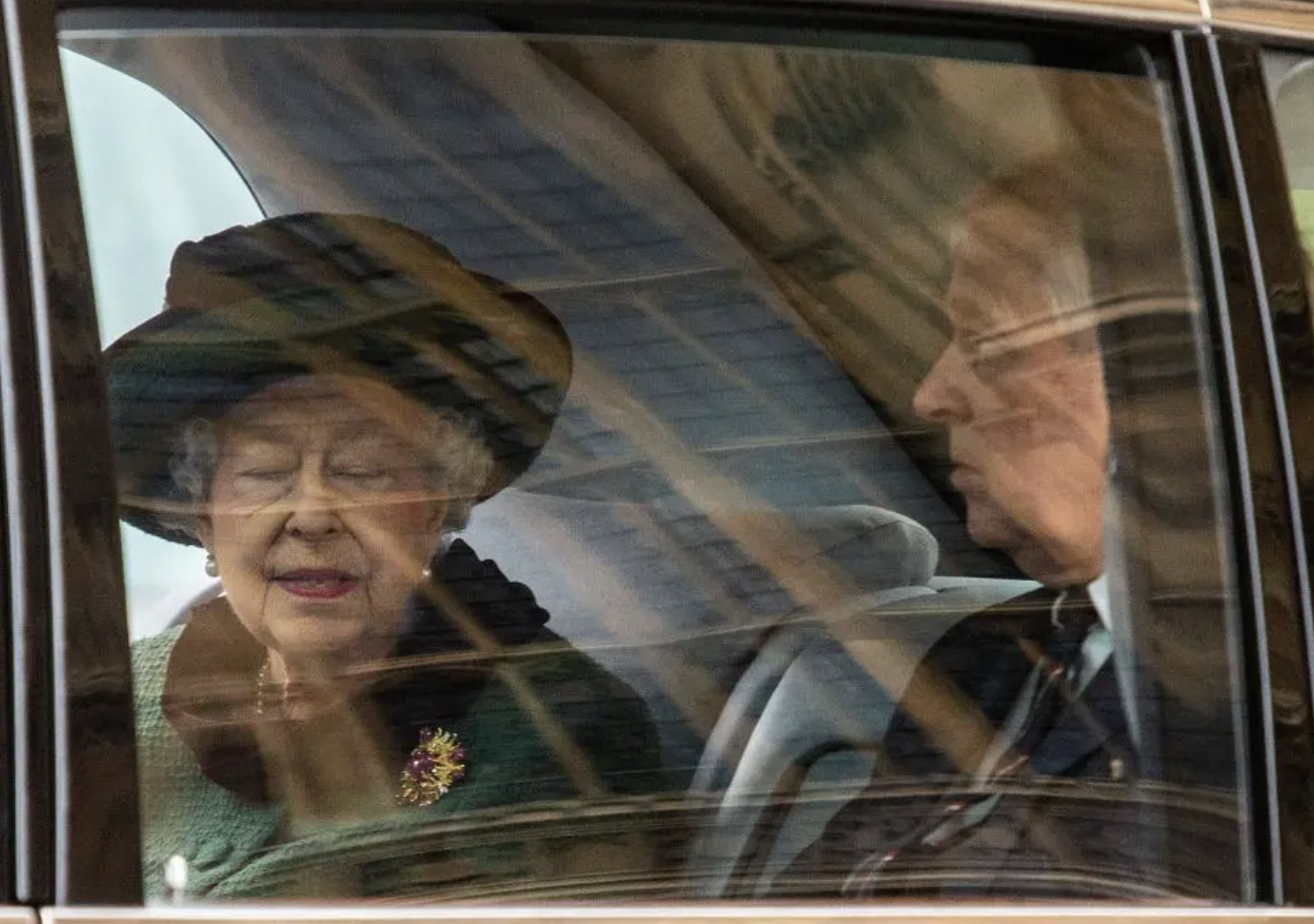
Prince Andrew is facing a fresh wave of deeply damaging scrutiny, with a new royal biography alleging he wielded disturbing influence over Queen Elizabeth II during the final years of her life.
According to historian Andrew Lownie’s new book Entitled: The Rise and Fall of the House of York, the disgraced royal allegedly leaned on his mother as her health faded, raising unsettling new questions about power, privilege and secrecy inside Buckingham Palace.
Lownie, speaking at the Oxford Literary Festival, claimed Andrew’s behavior toward the late queen went far beyond family tension. He alleged that Andrew “bullied” his mother into making decisions as her condition declined, while then-Prince Charles was increasingly the one actually running the monarchy behind the scenes.
The accusations are explosive even by royal standards.
For years, Andrew’s name has been tied to scandal, most notably his association with convicted sex offender Jeffrey Epstein, a relationship that wrecked his public standing and led to his removal from royal duties. But these latest claims cut even deeper, because they suggest the damage may not have stopped at public embarrassment. They point instead to a palace culture where loyalty to bloodlines mattered more than accountability.
One royal insider said the allegations would be “deeply troubling” to anyone who followed Elizabeth’s long reign, especially because of the suggestion that Andrew may have taken advantage of his mother’s declining state in private while public confidence in the monarchy was already under pressure.
Another source said the language surrounding the new claims is especially stark and could reignite debate over what was really happening behind palace walls during the queen’s final chapter.
Lownie argues that Elizabeth’s well-known affection for Andrew may have played a major role in how much protection he continued to receive, despite years of controversy swirling around him. That claim feeds into a broader criticism often aimed at the monarchy: that the institution has long protected its own, even when ordinary people would never be given the same grace.
And the book does not stop there.
Lownie also raises troubling allegations tied to Andrew’s past role as a U.K. trade envoy, including claims that intelligence concerns were brushed aside. He alleges officials warned royal aides about serious issues involving Andrew’s conduct abroad, only to be ignored. He further suggests that questions around confidential information, money and insider access were never fully confronted at the level critics believe they should have been.
The historian goes so far as to argue that Andrew’s controversies inflicted more lasting reputational harm on the royal family than some of its most infamous past crises. That is a stunning comparison, and one that underscores just how toxic Andrew’s public image has become.
Still, it is important to note that these claims come from Lownie’s research and interpretation, and Andrew has denied wrongdoing connected to Epstein. He has not been convicted of any offense tied to the allegations described in the book.
Even so, the picture painted is brutal: a scandal-plagued prince allegedly shielded by status, surrounded by an institution more focused on protecting itself than confronting hard truths.
For critics of the monarchy, the story will sound familiar. For defenders of the crown, it is another painful reminder that royal privilege has too often appeared to operate by its own set of rules.
And for Andrew, it is yet another headline dragging him back into the darkest questions about what really happened when the cameras were off and the palace doors were closed.
Discover more from Next Gen News
Subscribe to get the latest posts sent to your email.