

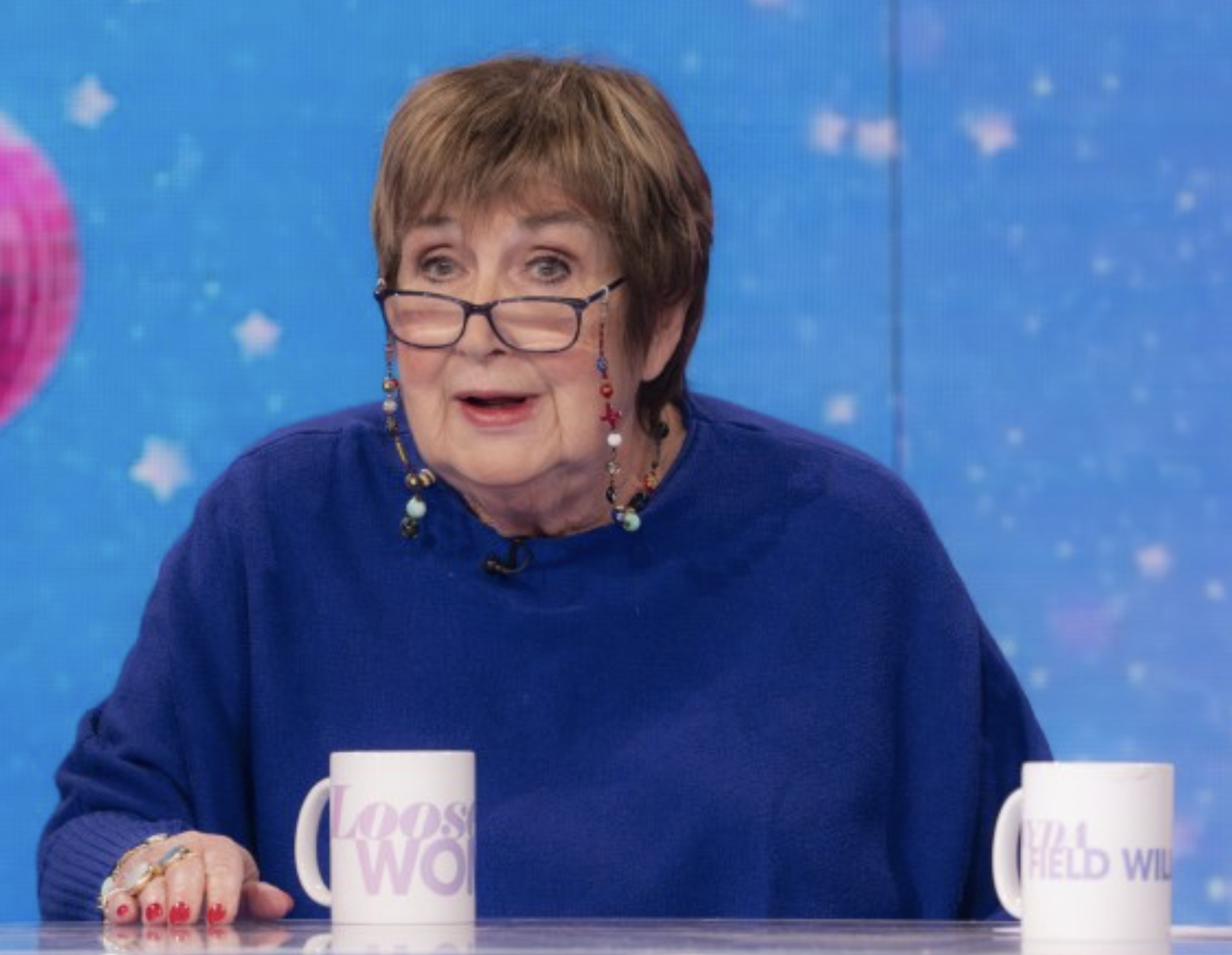
Jenni Murray, the unmistakable voice behind decades of conversation on BBC radio, has died at the age of 75. Her passing on March 12 marks the end of an era for one of the most influential female broadcasters in modern media.
Murray spent more than three decades at the helm of BBC Radio 4’s long-running program Woman’s Hour, guiding discussions that reached millions of listeners across the United Kingdom and beyond. From 1987 to 2020, she became a fixture in British homes, known for tackling everything from politics to personal stories with a steady, unmistakable tone.
BBC Director-General Tim Davie called her “a broadcasting icon,” adding that her impact stretched far beyond radio. “Jenni Murray didn’t just host a program,” he said. “She helped define what public conversation could look like.”
Mohit Bakaya, controller of BBC Radio 4, echoed that sentiment, crediting Murray with shaping national dialogue. “She brought intelligence, rigor, and a rare ability to connect,” he said. “Her voice carried authority, but also warmth.”
Over the years, Murray interviewed some of the most powerful and influential women in the world. Her guest list included former British Prime Minister Margaret Thatcher, former U.S. Secretary of State Hillary Clinton, and Nobel Prize-winning author Toni Morrison. Each conversation added to her reputation as a sharp, prepared, and fearless interviewer.
In 2011, Murray was formally recognized for her contributions to broadcasting and journalism when she was made a Dame. The honor cemented her status as a leading figure in British media.
But Murray’s career was not defined by radio alone. Even after stepping down from Woman’s Hour in 2020, she continued to surprise audiences. Her talent agency, Knight Ayton, recalled her willingness to step outside her comfort zone.
“We started representing Jenni as she left Woman’s Hour after an extraordinary career,” the agency said in a statement. “True to her spirit, she shocked many by appearing on ITV’s The Real Full Monty. It made headlines instantly.”
The appearance was more than entertainment. It was deeply personal.
Murray had been diagnosed with breast cancer in 2006. Her decision to participate in the televised event was driven by a clear goal. “She wanted women to check themselves,” the agency said. “That was always her focus—using her platform to make a difference.”
Her advocacy added another layer to a career already defined by influence and visibility. She was not just a broadcaster. She was a public voice on health, equality, and women’s issues during a time when those conversations were still evolving.
No official cause of death has been released.
Murray leaves behind a legacy that stretches across generations of listeners. For many, her voice was a daily companion. For others, she was a trailblazer who opened doors in a male-dominated industry.
And for British media, her absence marks the loss of a figure who didn’t just report on the national conversation—she helped lead it.
Discover more from Next Gen News
Subscribe to get the latest posts sent to your email.
USA Special Prosecutor Robert Mueller also died…