

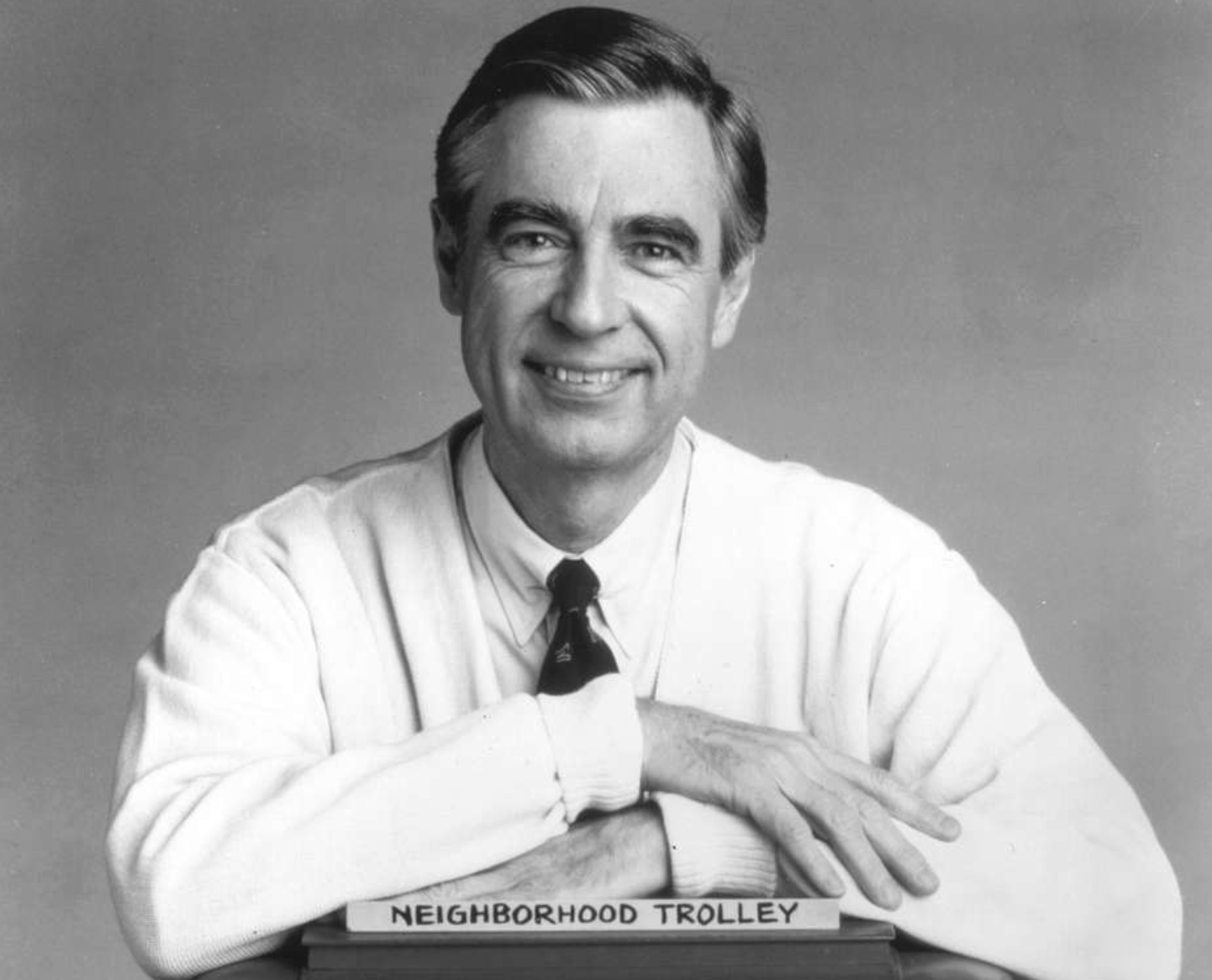
In the latest culture-war blunder of the Trump 2.0 era, Meghan McCain ignited a social media firestorm after insisting Fred Rogers “wasn’t political.” Within hours, the internet buried her in examples proving that the beloved children’s TV host spent decades promoting social justice, public broadcasting, and racial equality — all while doing so under the banner of kindness.
It was a digital takedown so swift that even longtime political watchers were stunned.
A veteran media analyst told us, “Anytime Meghan tries to lecture the internet about history, it never ends well. But trying to depoliticize Mr. Rogers during Trump’s second term? That’s a whole new level of denial.”
McCain’s post went live early Thursday morning.
“Wanna know one of the best things about Mr. Rogers growing up? I never knew anything about his political opinions. He just entertained kids. That’s it,” she wrote to her 2.5 million followers.
Six million views later, her post sat at around 25,000 likes — while the replies section filled with screenshots, archival clips, and a historic schooling that only social media can deliver.
One user snapped, “Mr. Rogers would’ve been labeled a radical liberal by your dad’s party today. Radical empathy? Racial inclusion? Anti-consumerism? Please.”
Another was less diplomatic: “You are just consistently so f—ing stupid.”
Users quickly resurfaced Rogers’ iconic 1969 moment with Officer Clemmons, played by François Clemmons, the first recurring Black character on a kids’ series.
“Cool story, Meghan,” wrote one X user. “Here’s the pool scene where Mr. Rogers publicly stood against segregation on national TV. Kids got the message — adults definitely did.”
In the clip, Rogers invites Clemmons to soak their feet in a small pool, a quiet but bold rebuke to the segregationists of the era. Sharing a towel afterward made the moment even more direct.
The episode aired during a time when public pools across America were still resisting the Civil Rights Act. Families reported harassment, violence, even closures meant to keep Black swimmers out.
A civil rights historian we interviewed noted, “Rogers wasn’t just ahead of his time. He used his platform to normalize a future America many lawmakers still refused to accept. That is political by any definition.”
By 1969, public broadcasting was on the chopping block. Rogers testified before the Senate Subcommittee on Communications in defense of PBS funding. His statement, which helped secure millions, became one of the most famous pleas for public investment in educational programming ever recorded.
“Fred Rogers saved PBS,” said a former Senate staffer. “Republicans admired him then. Under Trump’s current budget cuts? His mission wouldn’t stand a chance.”
Rogers, who was personally registered as a Republican in the 1970s, often frustrated conservative activists by promoting values they now reject: empathy-based education, accessible children’s programming, and non-commercialized media.
Another clip circulating widely showed Rogers sitting beside young Jeff Erlanger, a quadriplegic boy who demonstrated how his wheelchair worked.
“It’s not what you can’t do. It’s what you can do,” Rogers gently told viewers.
The moment became a landmark in disability-rights representation — years before the ADA, years before children with disabilities had visibility in mainstream media.
An educator responding to McCain wrote: “Fred Rogers championed inclusion before the law did. Today, that’s somehow considered political. Funny how that works.”
Under President Donald Trump’s second administration, federal support for public broadcasting has been hit repeatedly. Advocacy groups say the cuts, justified as “budget discipline,” amount to billions in lost educational funding nationwide.
One public media director in Pennsylvania told us, “If Mr. Rogers were alive today, he’d be testifying again. And Trump would be attacking him on Truth Social by sundown.”
That’s the backdrop against which McCain attempted to declare Rogers apolitical — a move seen by many as an effort to sanitize a cultural figure whose values stand in direct contrast to the modern conservative movement.
Thousands of users echoed the same sentiment: Fred Rogers didn’t shout his politics. He lived them.
As one viral reply put it, “The only reason you think this is political is because one party chose to oppose everything Fred Rogers stood for.”
Another added, “Compassion is political now. Inclusivity is political now. Fred Rogers was political because he believed everyone deserved dignity. You just didn’t notice.”
By sunset Thursday, McCain had stopped tweeting.
Rogers, meanwhile, was trending — 22 years after his death — as Americans revisited the quiet radicalism of the man who reminded them, every day, that they were neighbors.
Discover more from Next Gen News
Subscribe to get the latest posts sent to your email.
BS article… Trump OK with Mr. Rogers being anti-slavery/anti-racist like him…
Jokementia Bribery is Super Racist and spent his life trying to bring slavery back along with his Southern Democrat buddies… Jokementia even said he could decide who is “black”…