

California’s most stubborn cold cases were cracked open after a relentless detective refused to let two murdered teenagers fade into history. His name is Matt Hutchison, and inside police circles he’s earned a reputation that borders on myth.
“He’s the badass detective,” one retired officer told us. “When everyone else gives up, Matt digs in.”
Hutchison’s work is now the focus of a new 20/20 episode airing Friday, Jan. 9, on ABC. The report follows him through two brutal cases that haunted California families for decades — and reveals how modern DNA science collided with old-school persistence to finally unmask the killers.
The first case takes viewers back to 1982, when 15-year-old Palo Alto teen Karen Stitt disappeared on her way to a bus stop in Sunnyvale. She never made it home.
Her body, investigators say, was found naked and partially hidden behind a cinderblock wall. Her arms and legs were tied with her own clothing. She had been sexually assaulted and stabbed more than 50 times. Her makeup bag and personal items were scattered across the dirt, as if dropped during a desperate struggle.
For years, detectives chased leads and came up empty.
“It was a monster of a crime scene,” Hutchison said in the 20/20 interview. “Blood on the wall above her. Blood behind her. It’s the most violent scene I’ve ever stepped into.”
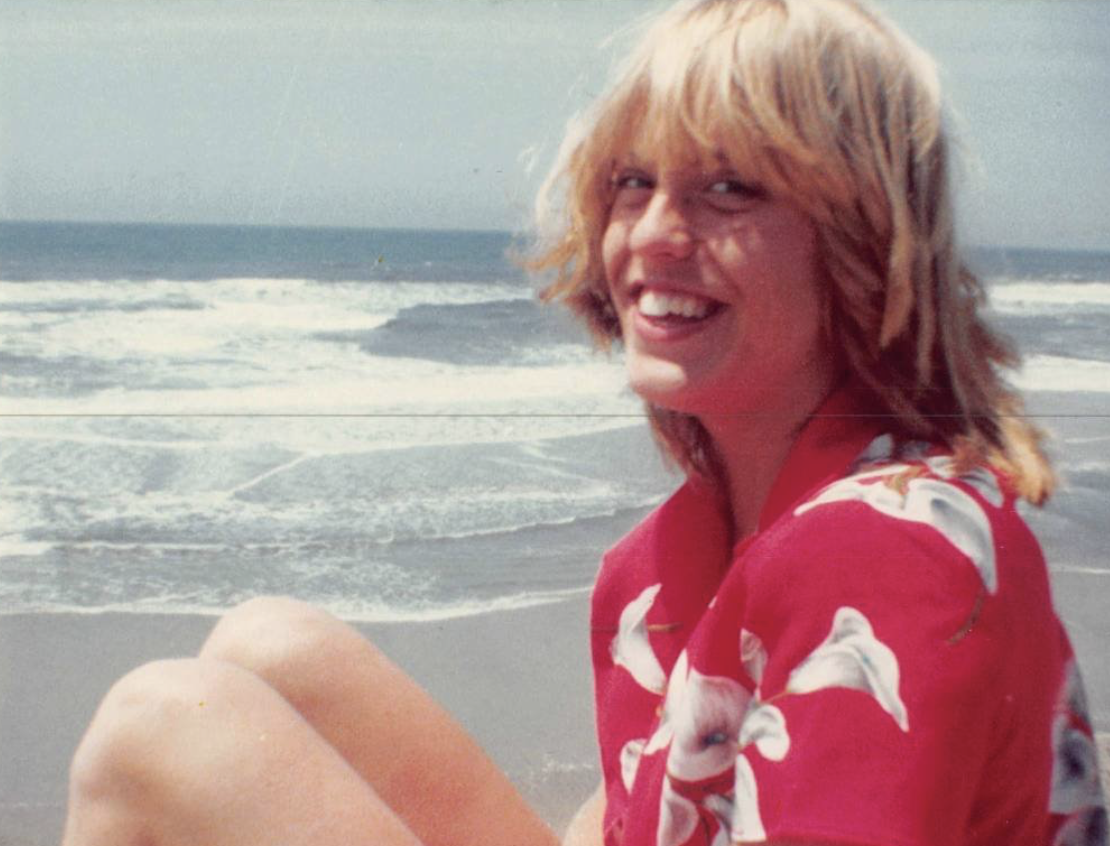
Stitt’s aunt, Robin Morris, told us her niece had been “a bright, kind, beautiful girl who loved the beach and her friends.” For her family, every year without answers was another wound.
When Hutchison reopened the file in 2017, DNA technology had advanced enough to offer a new shot. He turned to forensic genealogy — the same method used to catch the Golden State Killer.
Within months, investigators narrowed the suspect pool to four brothers. The breakthrough came when DNA from the trash of one brother’s daughter provided the match.
That man was Gary Ramirez, a former California resident living quietly in Maui.
Ramirez, now 78, pleaded no contest in 2025 to first-degree murder and received the maximum sentence: 25 years to life. He was never charged with the sexual assault due to statute limitations.
For the Stitt family, it was both relief and heartbreak.
“You wait decades for justice,” Morris said. “When it finally comes, it knocks the wind out of you.”
As Hutchison dug deeper into department archives, he found another case that looked chillingly familiar — the 1979 stabbing of 18-year-old high school senior and part-time security guard Estella Mena.
Mena was found inside the office building where she worked. Her body was discovered next to a vending machine, left alone in a dark corner.
Her sister, Marta Mena-Gordon, remembers the moment their family heard the news.
“We were destroyed,” she said. “Estella was responsible. Hard-working. She had plans.”
Hutchison zeroed in on blood left on Mena’s shoe. Genetic genealogy again led the way, and in 2023 investigators identified a suspect: Samuel Silva, a man with a violent past including manslaughter, attempted murder, and rape.
Silva had already died — inside a Colorado prison in 2008 while serving time for a weapons offense. Investigators say Silva once worked at the same amusement park as Mena and may have fixated on her.
“Everything pointed to him,” Hutchison said. “He slipped through the cracks for decades.”
Solving two cases that sat cold for more than 40 years sounds triumphant. But Hutchison says the job leaves scars.
“These cases get into your soul,” he admitted. “They will haunt me for the rest of my life.”
He’s quick to credit the investigators who came long before him.
“They weren’t cold because people didn’t care,” he said. “They were cold because technology hadn’t caught up yet. I could do my job because they did theirs — collecting blood, clothing, everything. Without that, nothing gets solved.”
Hutchison grew up in a family of public-service veterans. His stepfather served more than 30 years in the Sunnyvale Department of Public Safety.
But colleagues say Hutchison’s relentlessness is something else entirely.
“He’s built for this,” one fellow detective said. “He carries these victims with him. He doesn’t put them down.”
The 20/20 episode reveals just how far he was willing to go — including quiet stakeouts, late-night database searches, and even digging through trash to grab the DNA that broke one case wide open.
“It comes down to this,” Hutchison said. “Families deserve answers. Even if it takes 40 years.”
Discover more from Next Gen News
Subscribe to get the latest posts sent to your email.
LSM doesn’t know rare black “cinder blocks” from common white concrete blocks…
Glad these crimes getting solved… after worthless California police blew it…