

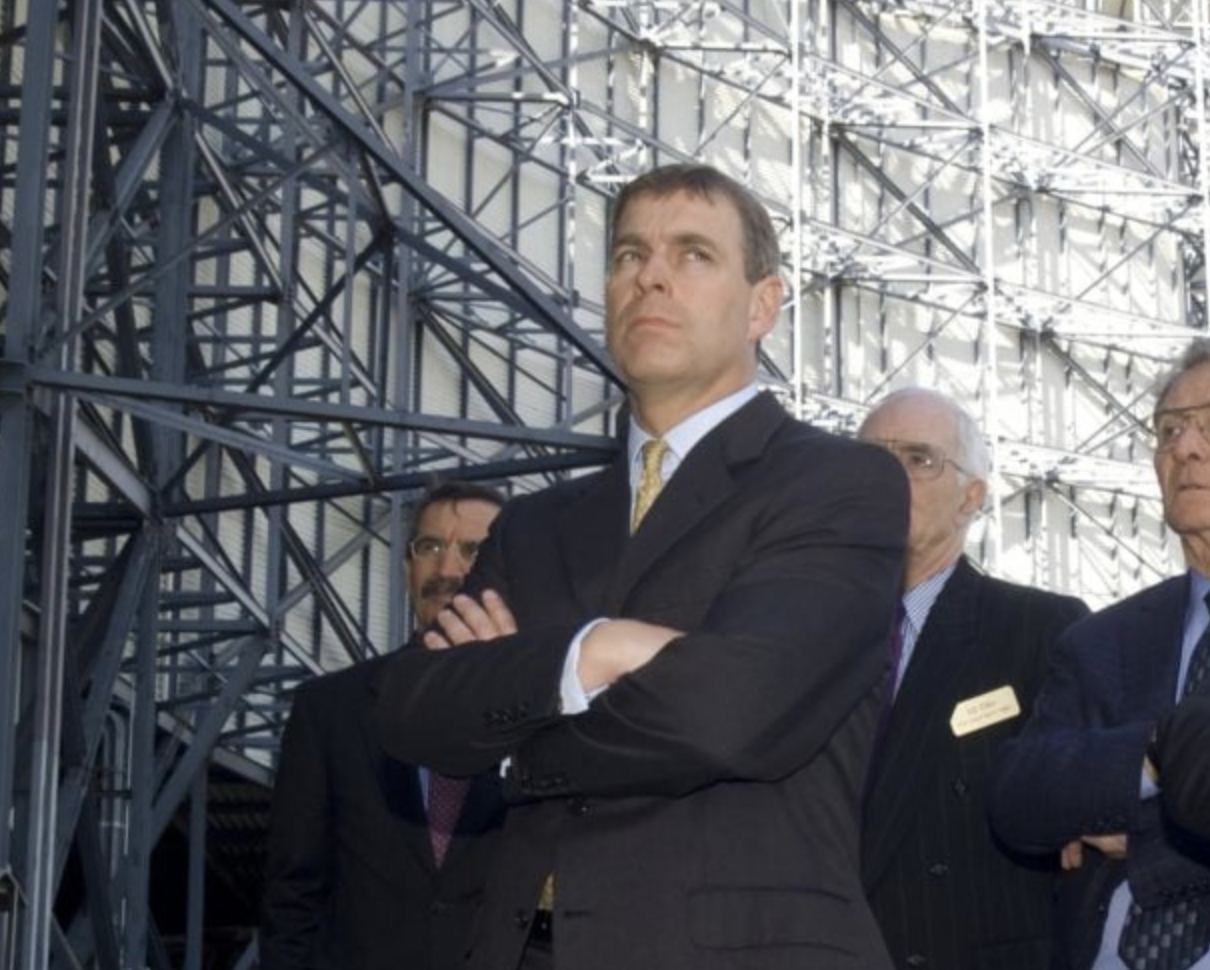
The walls may finally be closing in on Andrew Mountbatten-Windsor. The disgraced former Duke of York has been formally summoned by Congress to testify about his long-scrutinized ties to convicted pedophile Jeffrey Epstein — a stunning move that threatens to reopen one of the darkest chapters in modern royal history.
In a letter sent Thursday by Democratic members of the House Oversight Committee, lawmakers said Andrew “may possess critical information” about Epstein’s web of co-conspirators and high-profile enablers.
“Rich and powerful men have evaded justice for far too long,” said Rep. Robert Garcia (D-Calif.), the committee’s ranking Democrat. “Now, former Prince Andrew has the opportunity to come clean — and deliver justice for survivors.”
The letter orders Andrew to respond by November 20, though it remains unclear whether the royal exile will cooperate.
The congressional request follows years of public scandal, sealed settlements, and damaging leaks surrounding Andrew’s friendship with Epstein and Ghislaine Maxwell — both convicted of sex trafficking.
Epstein’s name became forever tied to the Duke in 2019, when Virginia Giuffre, one of Epstein’s victims, sued Andrew in New York civil court, accusing him of raping her three times when she was 17. She said she was trafficked by Epstein and Maxwell to London, New York, and the Virgin Islands, and that she feared for her life if she refused.
Andrew denied all allegations, but quietly settled in 2022 for an undisclosed sum. He maintained the payment was not an admission of guilt.
“The pattern is obvious,” said royal biographer Andrew Lownie, who has chronicled the prince’s downfall. “Every time the truth edges closer, Andrew retreats into silence. This summons could finally force him to speak — and it sends a powerful message that the U.S. won’t play favorites, not even with royalty.”
Andrew’s relationship with Epstein — which he long insisted ended in 2010 — unraveled again when private emails surfaced in the British press.
One 2011 message appeared to show Andrew asking a Metropolitan Police protection officer to “dig up dirt” on Giuffre, writing, “It would also seem she has a criminal record in the States… I have given her DOB and Social Security number for investigation.”
Another email, sent two months later, showed Andrew telling Epstein, “We’ll play some more soon,” contradicting his televised claim that he had cut ties with Epstein years earlier.
“That correspondence destroyed any credibility Andrew had left,” said British journalist Emily Maitlis, who famously interviewed him in 2019. “It confirmed what the public suspected — that his denials were rehearsed, not real.”
King Charles III stripped his brother of royal duties, military affiliations, and even his home — the sprawling 30-room Royal Lodge on the Windsor estate. Buckingham Palace later released a statement declaring the King and Queen’s “utmost sympathies” with Epstein’s victims, adding that Andrew’s punishments were “necessary and just.”
Andrew was left with no official title, no military rank, and virtually no public role. Once dubbed “the Queen’s favorite son,” he’s now Britain’s most radioactive royal.
Even his ex-wife Sarah Ferguson wasn’t spared. Leaked correspondence revealed she once thanked Epstein in 2011 for a £15,000 loan to pay off debts, writing, “You are a friend indeed… You have my heart.” Seven charities promptly dropped her as patron.
Epstein’s crimes — and his mysterious death in 2019 — continue to haunt powerful men from London to Washington. Andrew’s name has lingered near the center of that storm, accused of offering Epstein elite access to royal estates, including Balmoral, Queen Elizabeth II’s private Scottish retreat.
“Epstein was allowed inside the royal circle because Andrew opened the door,” said former palace aide Julian Payne, speaking to The Times earlier this year. “It was a catastrophic lapse in judgment that will define him forever.”
Despite Congress’s demand, few in Washington or Westminster expect Andrew to appear. Former federal prosecutor Neama Rahmani said there’s “zero chance” the ex-Duke testifies.
“They can issue a subpoena, but it’s unenforceable across the Atlantic,” Rahmani told reporters. “The U.K. won’t extradite him, and stepping foot in the U.S. would be reckless. The letter is political theater — but it turns up the heat.”
Still, for Andrew, the optics are brutal. “He’s been hiding for years,” Lownie added. “But the Americans don’t forget, and the survivors don’t forgive.”
As the November deadline looms, Buckingham Palace insists the decision to comply lies solely with Andrew. But behind the walls of Sandringham — where King Charles reportedly allows his brother limited refuge — royal insiders say patience is running out.
“If Andrew ignores Congress,” one former palace staffer warned, “he risks being cut off completely. The King’s support is not infinite.”
Whether or not he ever faces lawmakers, one truth remains: Jeffrey Epstein’s shadow still darkens Buckingham Palace — and Prince Andrew may not outrun it forever.
Discover more from Next Gen News
Subscribe to get the latest posts sent to your email.