

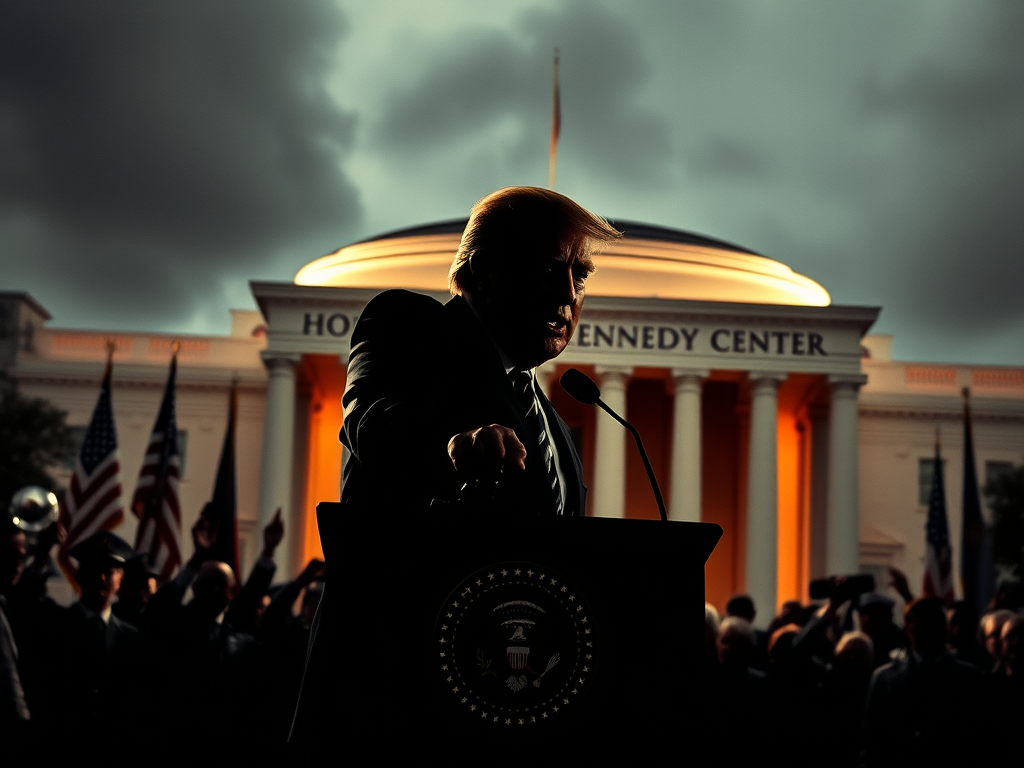
Washington, D.C.— In a move that has reignited debates over transparency and political maneuvering, former President Donald Trump announced on Monday that his administration will declassify approximately 80,000 pages of documents related to the 1963 assassination of President John F. Kennedy. The timing and motives of this decision, however, are raising eyebrows across the political spectrum.
Trump’s Announcement: A Grand Gesture or a Distraction?
Speaking to reporters during a tour of the John F. Kennedy Center for the Performing Arts, Trump declared: “We’re finally getting all of the Kennedy files out. People have been waiting decades. And I said I would do it.”
Yet, skeptics recall that Trump previously vowed to declassify these records during his first term, only to backtrack under pressure from intelligence agencies. Even now, his sudden decision—just months after returning to office—comes as his administration faces mounting legal troubles and political scrutiny. Some analysts suggest this may be an attempt to shift the narrative.
A History of Secrecy
The JFK assassination has long been a focal point for conspiracy theories. While the official Warren Commission report concluded that Lee Harvey Oswald acted alone, skepticism remains high. A 2023 Gallup poll found that 65% of Americans still believe Oswald did not act alone. The new documents may shed light on long-held suspicions about CIA involvement, Cold War cover-ups, or undisclosed links to Cuba.
Jefferson Morley, a former Washington Post journalist and editor of the blog JFKFacts, warns that the unreleased files could challenge the lone gunman theory. “The CIA still withholds details about AMSPELL, a covert operation targeting pro-Castro groups—an operation that had direct interactions with Oswald,” Morley noted.
What’s in the Files?
According to a statement from the FBI, the agency recently identified 2,400 additional documents that had not been previously linked to the JFK case. Trump claims the documents will be fully unredacted. “I said, ‘Just don’t redact. You can’t redact,’” he told reporters. However, intelligence agencies have historically resisted full transparency, citing national security concerns.
Gerald Posner, author of Case Closed: Lee Harvey Oswald and the Assassination of JFK, remains skeptical. “After six decades, the idea that there’s a smoking gun in these files is unlikely,” he said. “But withholding them only fuels conspiracy theories.”
Political Ramifications
While Trump paints himself as a champion of government transparency, critics argue that his selective declassification history tells a different story. During his first term, he refused to release key documents related to Russian election interference and obstructed efforts to access records from his own administration. Some Democrats argue that this latest move is simply a calculated appeal to his base, many of whom distrust government institutions.
What’s Next?
The National Archives and Records Administration (NARA) has confirmed that they are ready to process the files and will release them on a rolling basis. The real question remains: will the public finally get answers, or will this be another Trump-era spectacle?
For now, Americans will have to sift through the files themselves and decide whether the government’s secrets are truly coming to light—or if this is just another political distraction.
Discover more from Next Gen News
Subscribe to get the latest posts sent to your email.
 What's Up Today Editorial Team
Ah WOKE NextGen, what’s “dubious” about releasing unredacted files for a change?