

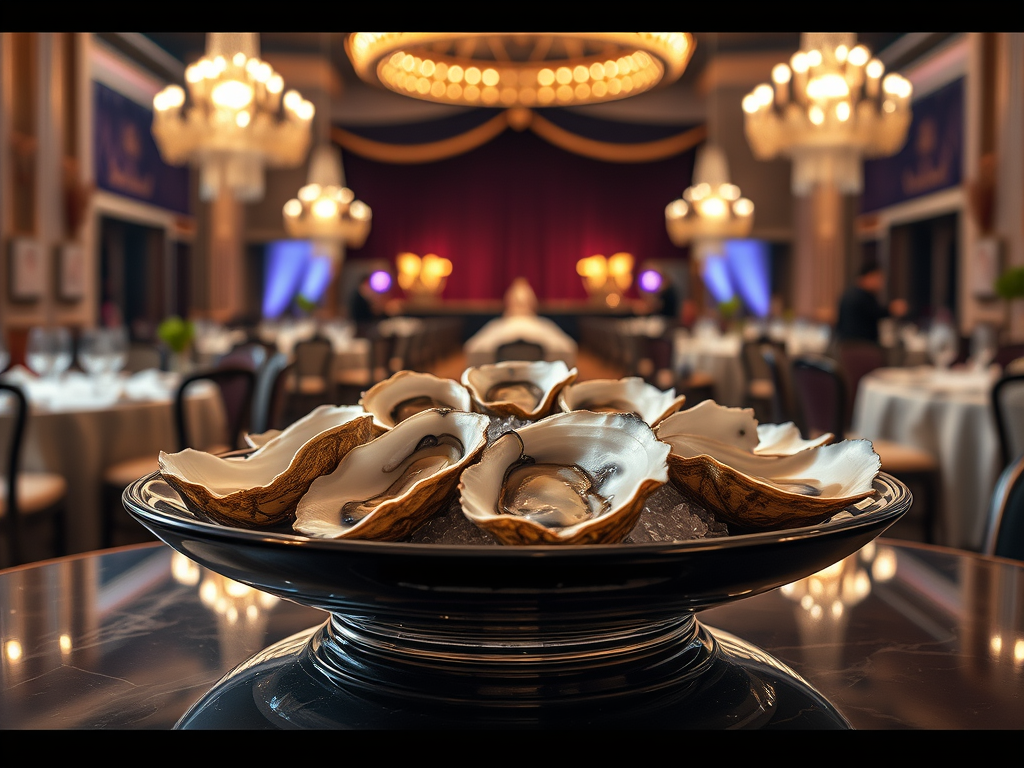
A glittering celebration of Los Angeles’s culinary elite has spiraled into a health crisis as over 80 attendees were struck down by a devastating norovirus outbreak. The culprit? Contaminated raw oysters served at the Los Angeles Times’ star-studded “101 Best Restaurants” event.
On December 3, food lovers gathered at the iconic Hollywood Palladium expecting an evening of fine dining and culinary excellence. Instead, many left battling violent bouts of nausea, vomiting, and diarrhea. “I thought I was tasting the best of L.A., but hours later, I was living a nightmare,” said attendee Grace Phillips.
Health officials quickly identified the source: Fanny Bay Select and Fanny Bay XS oysters supplied by Pacific Northwest Shellfish Co. These oysters, packed after November 25, were contaminated with norovirus, a highly contagious pathogen. Other implicated brands include Buckley Bay and Royal Miyagi, all traced back to sewage-polluted waters in British Columbia.
The fallout extended far beyond California. By December 18, the U.S. Food and Drug Administration had issued a chilling warning to restaurants and retailers in 14 states and Washington, D.C., urging them to stop serving or selling oysters from the affected areas.
The event’s reputation now lies in ruins. The Los Angeles Times, known for hosting prestigious food events, expressed regret but defended their safety measures. “We’ve organized culinary showcases for years with the highest food safety standards. This outbreak blindsided everyone,” said spokesperson Hillary Manning.
Yet, questions swirl about oversight. A Santa Monica shellfish company supplied the oysters to a participating restaurant, but it remains unclear if stricter inspections could have prevented the disaster. “We trusted our suppliers, and now we’re left picking up the pieces,” said an anonymous restaurateur.
The “101 Best Restaurants” list, launched in 2014 by legendary food critic Jonathan Gold, has long been a symbol of L.A.’s gastronomic excellence. Gold, a Pulitzer Prize winner and culinary trailblazer, passed away in 2018, but his vision lived on—until now. This scandal casts a dark shadow over what was once a cherished institution.
Norovirus is no ordinary stomach bug. Known for its ferocity, it causes acute gastroenteritis, with symptoms striking just 12 hours after exposure. The Centers for Disease Control and Prevention (CDC) warns that it’s the leading foodborne illness in the U.S., often linked to raw shellfish like oysters. “When sewage pollutes coastal waters, the shellfish absorb the virus—and unsuspecting diners pay the price,” explained Dr. Laura Benton, an epidemiologist.
Cooking neutralizes the virus, but raw oysters remain a risky delicacy. “You’re rolling the dice every time you eat one,” Benton added.
The Los Angeles County Department of Health is scrambling to contain the outbreak. Investigators are working to trace the contamination and prevent further cases. “We are leaving no stone unturned,” said a department official.
As the scandal rocks L.A.’s food scene, attendees are left grappling with the aftermath. “This wasn’t just food poisoning—this was a betrayal of trust,” said one victim.
The incident is a stark reminder that even the most glamorous events can harbor hidden dangers. For now, the city’s foodies are left asking: Is any bite worth the risk?
Discover more from Next Gen News
Subscribe to get the latest posts sent to your email.
LATimes/NYTimes make us sick all the time…