

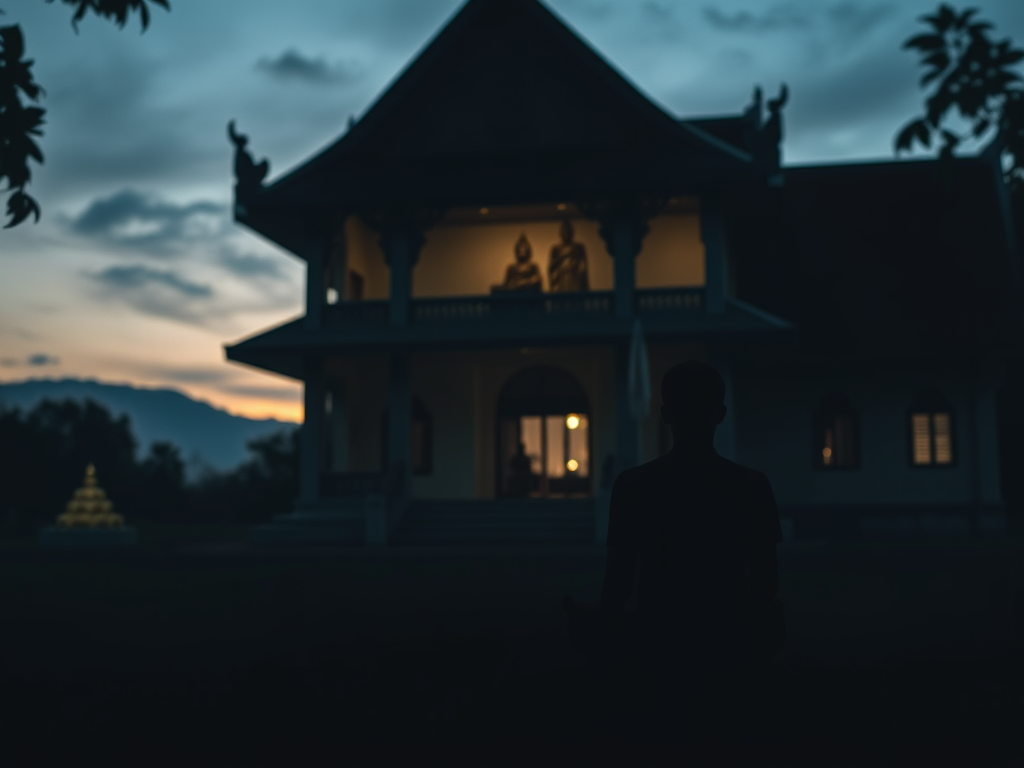
In a case that has stunned Thailand, authorities are investigating a Buddhist monastery in Phichit province where 41 human bodies were discovered, allegedly used as part of an unusual meditation practice. The shocking find has raised questions about ethics and legality in religious rituals, drawing widespread attention.
The bodies, discovered Saturday at the Pa Nakhon Chaibovorn Monastery, were accompanied by documentation that included death and body donation certificates, according to a senior police official who spoke on condition of anonymity. Investigators are now contacting the relatives of the deceased to verify whether the remains were donated voluntarily.
“We are trying to ensure that none of the dead bodies were stolen,” the officer said, emphasizing that no charges have yet been filed.
The probe follows a similar discovery earlier in the week when police found 12 bodies at another monastery in Kamphaeng Phet province, sparking concerns about the prevalence of such practices across the region.
A Controversial Meditation Technique
Phra Ajarn Saifon Phandito, the head of the Phichit monastery, defended the use of cadavers in meditation. Speaking to Thai PBS, he claimed the practice is part of a unique method he developed to deepen spiritual focus.
“Practitioners meditate in pavilions that hold coffins with the human remains,” Saifon explained. “Many of the people who come to learn are abbots and monks who pass on this knowledge. I don’t know how many have adopted my technique.”
However, the method has drawn criticism and skepticism, even within Thailand’s Buddhist community. Kom Pattarakulprasert, director of the Phichit Office of Buddhism, expressed his surprise upon learning of the bodies.
“I initially asked Phra Ajarn Saifon if there were any cadavers, and he said no,” Kom told The Bangkok Post. “When journalists uncovered 41 bodies, I was taken aback. I will be consulting with the local clergy to determine whether this practice aligns with Buddhist teachings.”
Legal and Ethical Concerns
The discovery has led to a broader investigation into whether the bodies were acquired legally and if similar practices are occurring in other monasteries. Authorities from neighboring provinces have been called in to assist.
“This isn’t just about legality—it’s about ethics,” said one official familiar with the case. “We need to understand how these practices affect not just the individuals involved but the broader perception of Buddhism.”
Thailand, a predominantly Buddhist nation, is known for its deeply spiritual traditions, but this case has sparked a heated debate about where the line should be drawn between religious innovation and misconduct.
As the investigation unfolds, public opinion is divided. While some view the practice as a grotesque violation, others argue it reflects the extremes some individuals are willing to go to in pursuit of spiritual enlightenment.
For now, the monastery remains at the center of a growing storm, with both authorities and the public awaiting answers.
Discover more from Next Gen News
Subscribe to get the latest posts sent to your email.
Some kind of perverted form of Buddhism… like the Dali Lama also does…