

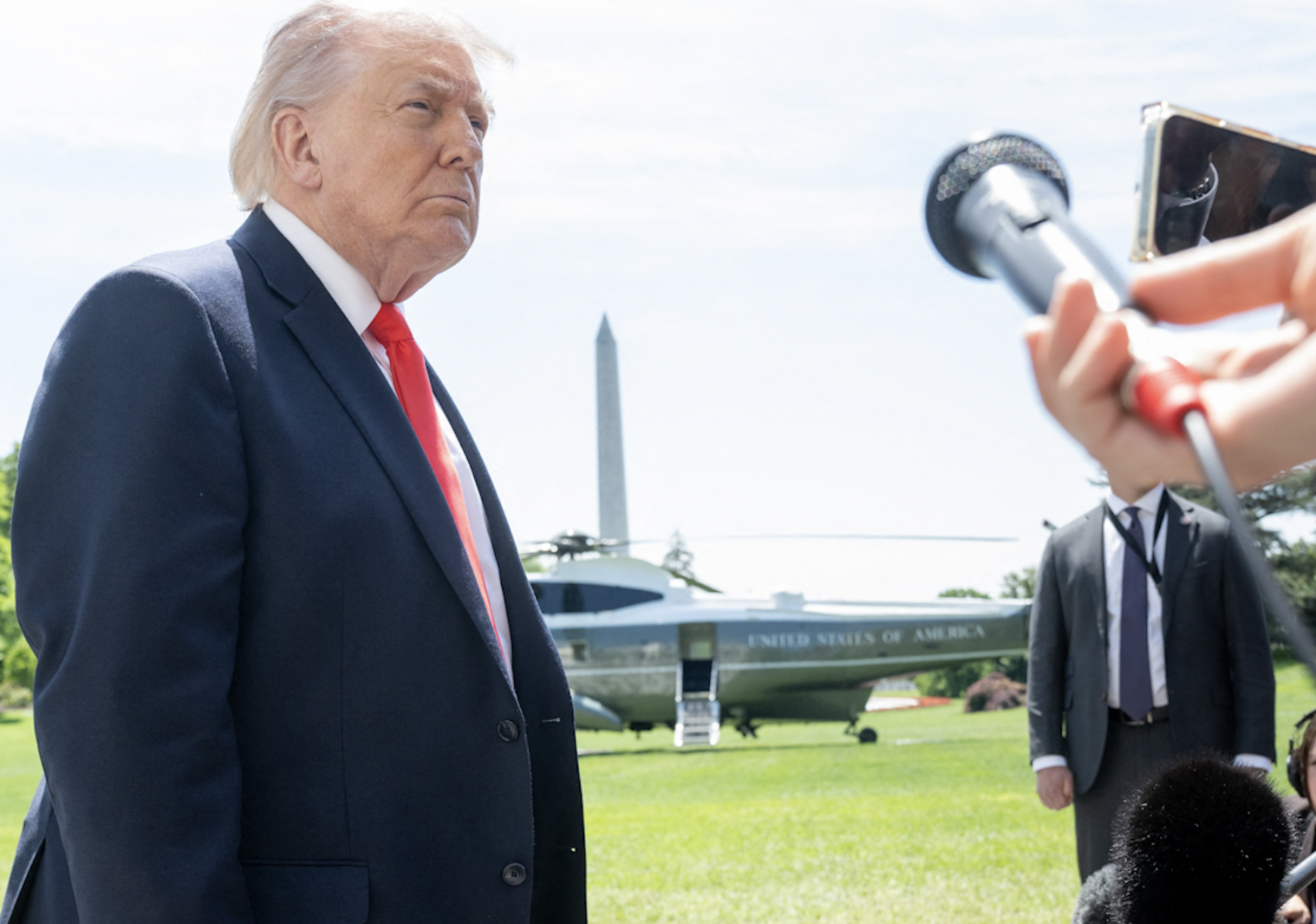
President Donald Trump raised alarms Friday night after declaring that the United States would take over Cuba “almost immediately,” delivering the explosive remark just hours after signing a sweeping executive order that dramatically expanded sanctions on the Cuban government and its allies.
What may have sounded to some like political theater landed very differently given the timing: Trump was not just talking tough, he was actively escalating Washington’s pressure campaign against Havana.
Speaking during an event at the Forum Club of the Palm Beaches in West Palm Beach, Florida, Trump veered into extraordinary territory as he painted a scenario in which the U.S. could move against Cuba with little resistance.
He suggested an American aircraft carrier could be stationed just offshore and implied that the mere presence of overwhelming military force would be enough to force the island into submission. Even if some in the room took the line as a joke, it came wrapped in language that sounded unmistakably like a threat.
Trump also linked the remark to the ongoing U.S.-Israeli conflict involving Iran, suggesting that any move on Cuba could happen on the way back from military operations in the Middle East.
He even referenced the possibility of a returning carrier being redirected toward Cuba, reviving concerns that he is using wartime rhetoric to normalize the idea of opening yet another international front. While no formal invasion plan was announced, the comment fit neatly into a broader pattern of provocative messaging that keeps adversaries, allies, and voters guessing.
What made the moment especially jarring was that Trump’s words were backed by real policy action. Earlier that same day, he signed an executive order expanding U.S. sanctions on Cuban officials, state-linked entities, and affiliates across major sectors of the island’s economy, including finance, mining, security, and energy.
The order authorizes the blocking of property and financial interests tied to those targeted and also opens the door to secondary sanctions against foreign companies and institutions that continue doing significant business with them. In effect, Trump’s administration moved from heated rhetoric to a more aggressive economic squeeze in a matter of hours.
The White House framed the crackdown as a national security move, calling Cuba an “unusual and extraordinary threat” and accusing its government of repression, corruption, and links to hostile foreign actors.
Administration officials have also pointed to alleged ties between Havana, Iran, and Hezbollah as justification for the tougher approach. For critics, however, the language recalls some of the darkest instincts of Cold War brinkmanship, with Trump once again leaning on fear, force, and spectacle as tools of foreign policy.
Cuba’s response was swift and furious. President Miguel Díaz-Canel blasted the new measures as coercive, while Foreign Minister Bruno Rodríguez said the sanctions amounted to collective punishment against ordinary Cubans and insisted the island would not be intimidated. The backlash underscored the growing risk that Trump’s escalation could deepen suffering for everyday people while ratcheting up already dangerous tensions in the region.
For now, the White House has not clarified whether Trump’s “takeover” comment was meant as humor, bluster, or a serious signal of what could come next.
But the bigger picture is already clear: on Friday, Trump paired one of his most inflammatory foreign policy remarks yet with real and immediate economic punishment, turning Cuba into the latest stage for his politics of intimidation. And for anyone hoping the second Trump presidency would be less chaotic than the first, the message out of Florida was the opposite.
Discover more from Next Gen News
Subscribe to get the latest posts sent to your email.
Cuba did to the USA/Mafia in 1958 what the USA did to England/King in 1776…
It’s like the lunatic wants to take over the world!
There’s lots of downtrodden peoples to save… Trump has already saved USA from Democrats…