

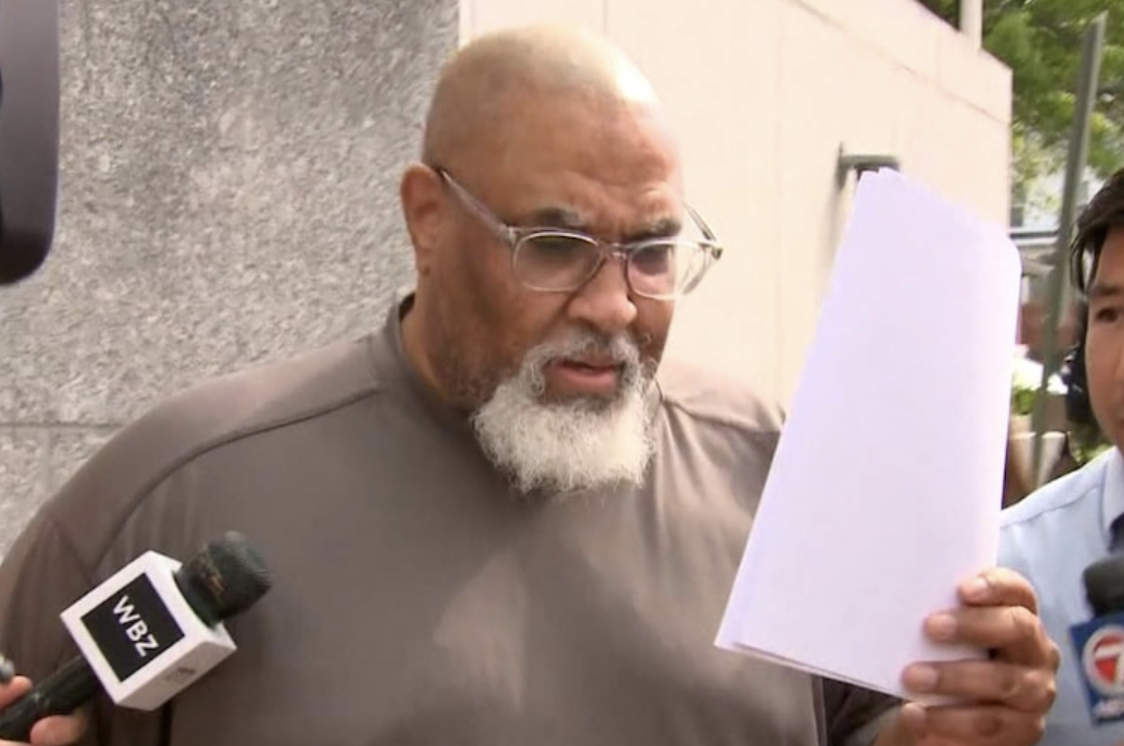
The Ivy League’s reputation for brilliance took a disturbing hit this week after a former Harvard Medical School morgue manager was sentenced to eight years in federal prison for selling stolen human body parts — including faces, brains, and skin — to what prosecutors called a “community of sick collectors.”
Cedric Lodge, 58, once trusted to oversee the university’s anatomical donation program, turned the school’s morgue into a gruesome marketplace. Prosecutors say Lodge spent years stealing pieces of cadavers donated for medical research and selling them online and through private deals across state lines.
“He sold them as if they were trinkets,” Assistant U.S. Attorney Alisan Martin said in court. “In one case, he provided skin to be tanned into leather and bound into a book. In another, he sold a man’s face — perhaps to be kept as a trophy, or something even worse.”
From 2018 to 2020, Lodge allegedly transported body parts from the Harvard morgue in Boston to his quiet home in Goffstown, New Hampshire. There, he and his wife, Denise, carefully packaged the remains and shipped them to buyers who traded in what the FBI described as “oddities” — people obsessed with collecting human remains, animal skulls, and taxidermy.
Authorities say the Lodges weren’t alone. The investigation uncovered a nationwide network involving funeral home workers, crematorium employees, and private dealers, all trafficking in stolen human remains. At least six others have pleaded guilty in the federal probe.
Denise Lodge, 63, was sentenced to one year behind bars for her role in arranging sales and handling shipments.
The crimes stunned Harvard Medical School, one of the oldest and most prestigious medical institutions in the country. The university’s dean called the case “abhorrent and inconsistent with the standards and values Harvard and its donors expect and deserve.”
Harvard temporarily halted its body donation program for five months in 2023, shortly after Lodge’s arrest, to conduct an internal audit. Families of several donors have since filed lawsuits, accusing the school of negligence and emotional distress.
“These families trusted Harvard with their loved ones,” said attorney Karen Phelps, who represents several plaintiffs. “Instead, those bodies were desecrated in one of the most grotesque betrayals imaginable.”
Lodge had worked at Harvard for 28 years — nearly three decades of quiet service before turning to crime. Prosecutors said he began stealing body parts after research programs ended, when remains were due to be cremated and returned to families.
“He caused deep emotional harm to an untold number of relatives left to wonder what happened to their loved ones’ remains,” prosecutors wrote in their sentencing memo. They pushed for a 10-year sentence.
Defense attorney Patrick Casey pleaded for leniency, saying Lodge was “haunted by guilt” and “fully aware of the pain his actions have caused.”
Judge Matthew Brann ultimately sentenced him to eight years in prison, calling the crimes “a shocking violation of trust and decency.”
Investigators uncovered online listings, private group messages, and text exchanges revealing a secret trade in human remains stretching across several states. Buyers used coded language, referring to skulls as “antiques” and preserved skin as “art materials.”
“This wasn’t science — it was depravity dressed up as curiosity,” said one law enforcement source familiar with the case.
The FBI described the network as a “morbid economy built on human suffering,” with buyers paying hundreds or even thousands of dollars per piece.
The scandal continues to haunt the Ivy League institution. Harvard faces multiple lawsuits from families seeking damages and public accountability.
“The donations were made in good faith,” said one plaintiff’s son. “My mother wanted to help future doctors. Instead, she became part of a horror story.”
Federal investigators say their probe is ongoing and could lead to additional arrests tied to funeral homes and online collectors.
Sources: U.S. Department of Justice, The Boston Globe, Associated Press, Harvard University statements
Discover more from Next Gen News
Subscribe to get the latest posts sent to your email.
 Next Gen News Team
Sent from my iPad
>
KokngfdzW.
Sent from my iPad
>