

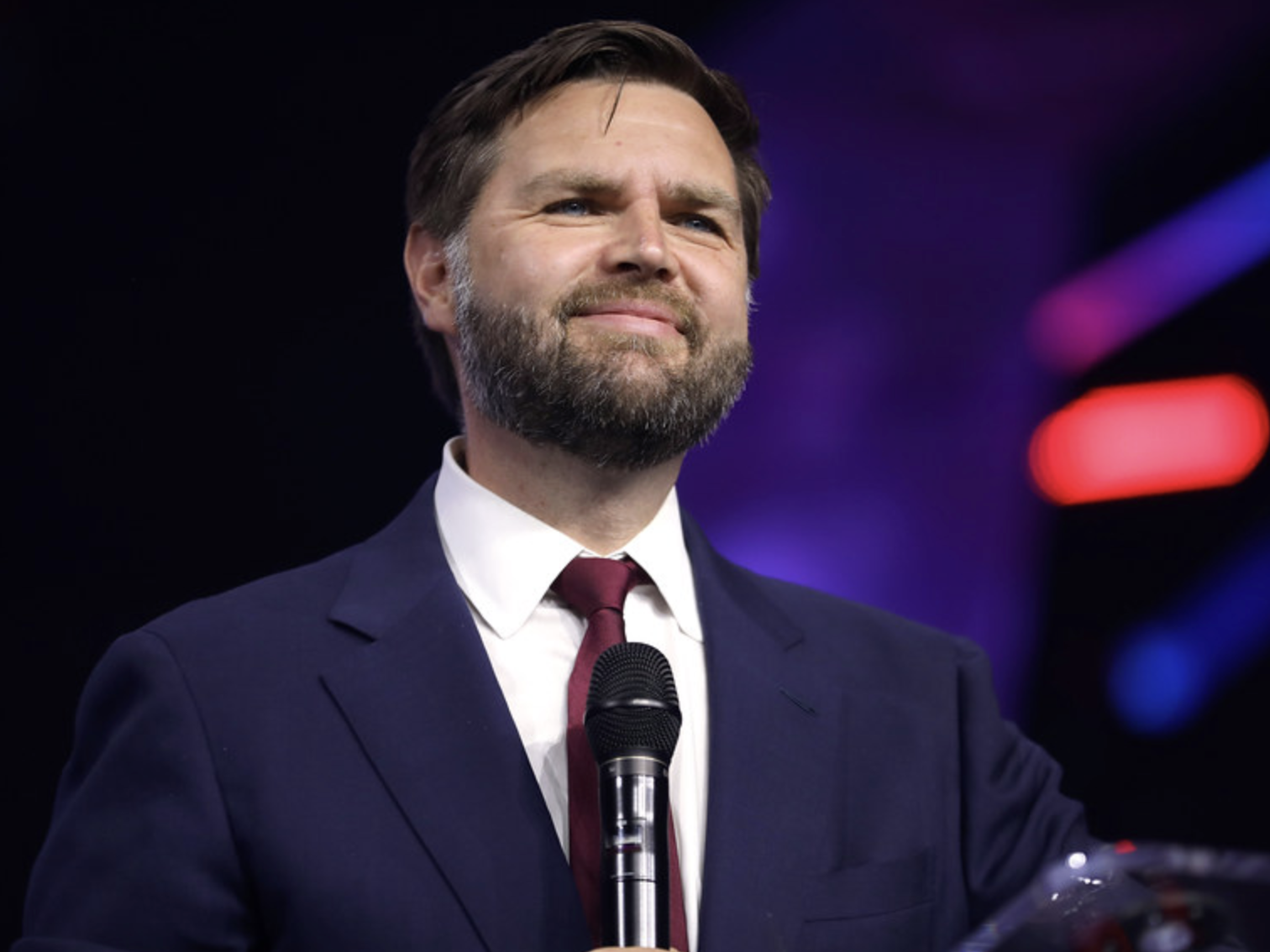
Vice President JD Vance is once again in hot water—this time over a dad joke that critics say crossed a line.
The 41-year-old veep set off a wave of backlash after joking on X that America should “ban” the numbers six and seven—a quip aimed at the bizarre “six seven” trend sweeping through classrooms and playgrounds across the country. But many found the humor tone-deaf coming from one of the highest-ranking officials in the nation.
“Yesterday at church, the Bible readings started on page 66-67 of the missal, and my 5-year-old went absolutely nuts repeating ‘six seven’ like 10 times,” Vance wrote, referring to his son, Vivek. “And now I think we need to make this narrow exception to the First Amendment and ban these numbers forever.”
The post, meant as a lighthearted complaint from a tired dad, instead drew sharp criticism—especially for joking about “exceptions” to the First Amendment at a time when the Trump administration has been accused of targeting media outlets and restricting dissent.
The viral “six seven” chant began on TikTok months ago, inspired by the rap track Doot Doot (6 7) by Skrilla. Kids from elementary schools to high school hallways now repeat it endlessly, driving parents to distraction.
“I don’t even know why it’s funny,” Vance admitted in his post. “When we were kids, all our viral trends at least had an origin story.”
Parents nationwide sympathized. One mother replied, “Someone on a podcast said ‘6, 7 year,’ and it activated my 12-year-old like a sleeper agent. I agree—ban it for the good of us all.”
Even a few Democrats laughed. “This is one issue that should unite Republicans and Democrats,” another user joked.
But others weren’t amused. Critics argued that Vance’s comments showed poor judgment for a sitting vice president.
“I know it’s a joke, but the Vice President of the United States advocating for restricting freedom of speech is pretty inappropriate,” one user wrote.
Another added, “You’re gonna try to ban a number because kids are saying it as a joke? This is the most unserious administration of all time.”
The remark follows a string of viral blunders by Vance, including a widely mocked Thanksgiving comment about “hating turkey” and his suggestion that Americans “should work more and complain less.”
“He’s constantly trying to sound relatable but ends up sounding fake,” said media analyst Rachel Flores. “This latest stunt just reinforces the perception that the administration is disconnected from everyday Americans.”
Vance, who has served as Trump’s right-hand man since the 2024 election, has often leaned into an online persona heavy on sarcasm and dark humor. But his attempts to humanize himself through social media often backfire.
Later the same day, he took another swipe at critics when he reposted a digitally altered image showing him allegedly yelling at his wife, Usha, in a restaurant. “I always wear an undershirt when I go out in public to have a fight loudly with my wife,” he joked, brushing off speculation about marital tension.
The response? Another round of backlash.
“It’s like he can’t tell the difference between being funny and being reckless,” tweeted one commentator. “Maybe focus less on memes and more on governing.”
Under President Trump’s second term, the administration has faced mounting criticism for blurring the lines between political power and online performance. Trump and Vance have made social media their primary stage, often posting memes, provocations, and offhand remarks that dominate the news cycle—but rarely advance policy.
“Vance is doing what Trump perfected: using outrage as oxygen,” said political historian Marcus Henderson. “But when your jokes touch on constitutional freedoms, the laughter dies quickly.”
As one frustrated voter put it on X: “We’re not laughing, JD. We’re exhausted.”
Source: RadarOnline.com
Discover more from Next Gen News
Subscribe to get the latest posts sent to your email.