

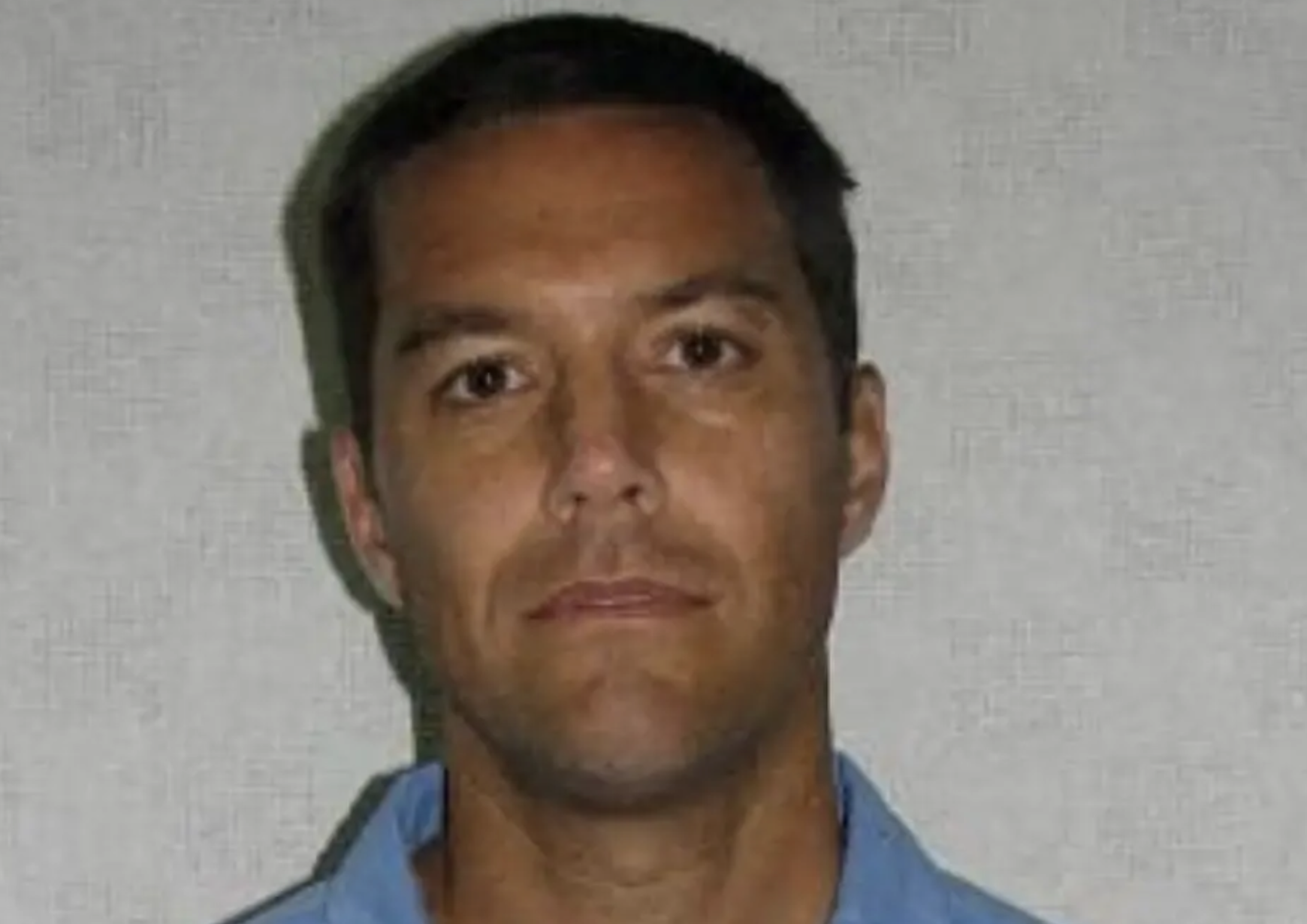
Scott Peterson, the convicted killer who has spent more than two decades behind bars for murdering his pregnant wife, Laci Peterson, and their unborn son, could eventually get a chance to seek freedom under a controversial California parole policy drawing outrage from victims’ families.
Peterson, 53, is serving life without the possibility of parole for the 2002 murders of Laci and their unborn son, Conner. But critics say new regulations involving California’s Board of Parole Hearings could potentially give some inmates serving life-without-parole sentences an opportunity to have their cases reconsidered after spending at least 25 years in prison.
Laci’s family is now joining the fight against the policy, warning that families who believed their loved ones’ killers would never be released could once again be forced into parole battles.
“Our family believed that sentence would finally bring some measure of certainty,” Laci’s mother, Sharon Rocha, said in a statement.
“Victims should not have to spend the rest of their lives wondering whether the person responsible will receive another opportunity for release. Justice demands finality.”
Rocha and other victims’ relatives are supporting a lawsuit filed by the Criminal Justice Legal Foundation, or CJLF, which is attempting to block the regulations before they take effect in October.
And Peterson is far from the only notorious California inmate critics say could potentially be affected.
The list includes Joseph DeAngelo Jr., the so-called “Golden State Killer,” who was convicted of 13 murders and admitted to numerous rapes and other crimes committed across California.
Also cited is Phillip Garrido, who kidnapped 11-year-old Jaycee Dugard in 1991 and held her captive for 18 years while repeatedly sexually abusing her.
Bruce Davis, a follower of Charles Manson who was convicted in connection with two 1969 murders, is another name critics have raised.
Private investigator Jason Jensen blasted the policy as dangerously lenient.
“I think it’s absolutely reckless,” Jensen told RadarOnline.com.
“As much as social justice lawyers are really focused on leniency toward convicted criminals — ‘it’s not their fault, they were victims of crimes themselves’ — at some point you have to realize that the reason they are in prison is they had their chance and they screwed it up.”
Jensen added: “This policy is hazardous to the public’s health, and even if there was one new victim, it’s one victim too many.”
The CJLF filed its lawsuit in July, accusing California officials of attempting to fundamentally alter sentencing rules through administrative regulations rather than legislation approved by elected lawmakers.
Anne Marie Schubert, who heads the CJLF, said the inmates potentially affected include some of California’s most dangerous offenders.
“We’re talking about people that would have been qualified for the death penalty, OK? So, they are the worst of the worst,” Schubert said.
“We are talking about cop killers. We’re talking about baby killers. We talk about mass shooters.”
Schubert pointed to a Fresno case from the early 1990s involving a man who killed 10 people before pleading to life without parole, saying he could potentially become eligible under the regulations.
California Gov. Gavin Newsom’s office strongly disputes claims that the policy creates a new route to freedom for inmates serving life without parole.
“These regulations do not create a new pathway out of prison, do not shorten sentences, and do not guarantee anyone’s release from prison,” Newsom’s office told RadarOnline.com.
Instead, the governor’s office said the regulations create a formal process allowing the Board of Parole Hearings to provide public-safety assessments to judges and the governor.
“The Board’s role is advisory only,” the statement said. “Any decision to modify a sentence remains solely with the Governor or the courts.”
But families of murder victims remain deeply skeptical.
Phyllis Loya, whose son, Pittsburg, California, police officer Larry Lasater, was killed by an armed robber in 2005, accused state officials of undermining sentences victims believed were permanent.
“They come like thieves in the night to rob us of justice,” Loya said.
For families like Laci Peterson’s, the fight is about more than one notorious prisoner. They fear the new rules could reopen cases they believed had been settled forever — forcing victims’ relatives to once again confront the possibility that convicted killers sentenced to die behind bars could someday get another chance at freedom.
Discover more from Next Gen News
Subscribe to get the latest posts sent to your email.